Live. Magazine
People
Overcoming urticaria.

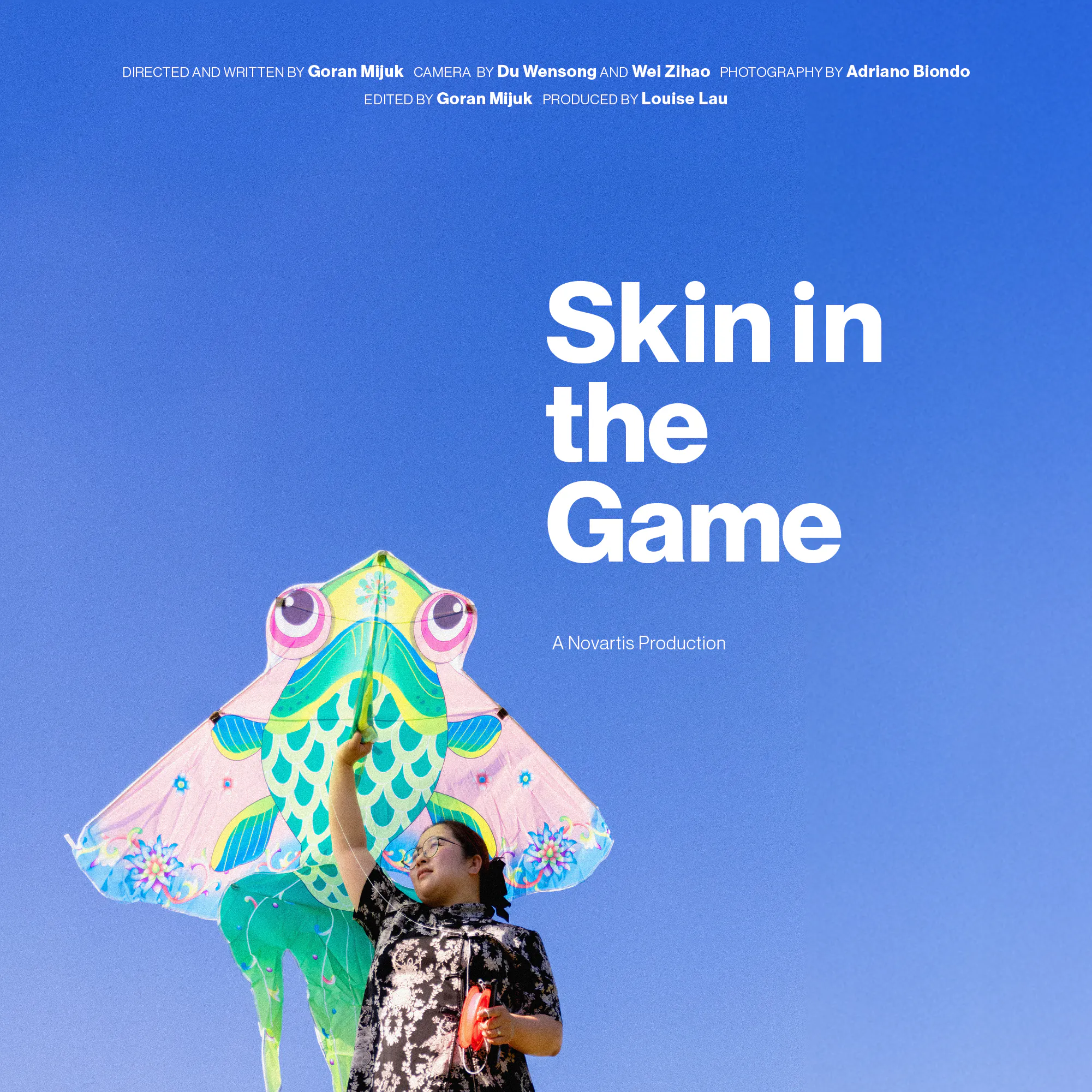
Skin in the game
For nearly 10 years, Jiahui Zhang, a Beijing resident, suffered from chronic spontaneous urticaria, a debilitating skin disorder that can have wide-reaching effects on patients, even leading to mental stress and social isolation. In her long struggle with the condition, Jiahui learned not only to live with the disease, but to find a way out and regain a fresh sense of purpose for her life.
Text by Goran Mijuk, photos by Adriano Biondo, videos by Du Wensong.
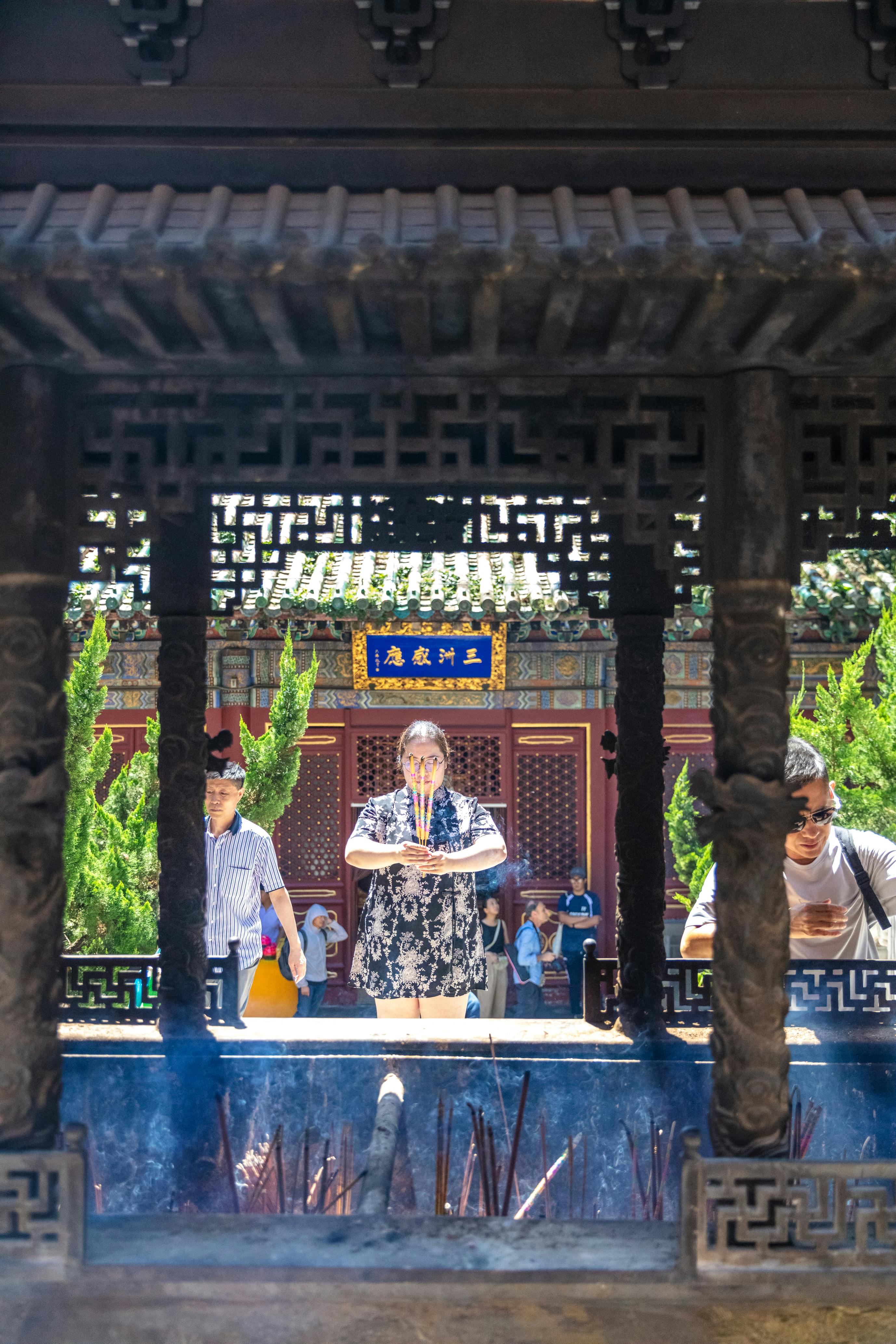
As she walked up the stairs of the Tan Zhe Si Temple – a nearly 2,000-year-old terraced complex with dozens of finely timbered halls, ornate rooms and airy pavilions on the mountainous outskirts of Beijing – it was as much a procession through time as through space and the elements.
Smelling the fragrant incense with its billowing black smoke, incanting the Buddha in the golden interiors of the shrines, treasuring the wind and the sun on her skin on this cloudless July afternoon, Jiahui Zhang cherished every moment of this private procession, which let her nearly forget the years of isolation, anguish and distress she had left behind.
In the vast temple precinct, she found a mental escape from her years-long ordeal that had pushed her to the brink of a breakdown. It was also a deeply corporeal experience through which Jiahui reconnected with her old self – at once painful and hopeful.
In a shaded bamboo forest, next to the Floating Cup Pavilion at the very peak of the site that stretches over seven hectares, Jiahui spotted a small black kitten and immediately lifted the animal into her arms to caress it.
The scene reminded me of an episode with another kitten that Jiahui had recounted to us earlier: Her name was Yaya, a little forlorn animal Jiahui had picked up several years earlier from the street and with which she connected instantly, finding both solace and a kindred spirit in an animal which seemed as lost and alone as she herself was at the time.
Visiting the temple brings both mental and physical relief for Jiahui Zhang.
She told me that, although she had felt a deep attachment to Yaya, she had to give it away to her parents because her own health condition at the time would not allow her to keep it. But shortly after, someone poisoned the cat, leaving Jiahui heartbroken. “It felt like losing a child,” she said.
A coin-sized sign
The death of the kitten coincided with one of Jiahui’s darkest moments in her nearly 10-year-long fight with chronic spontaneous urticaria, a skin condition that can be a heavy drag on patients, as it impacts not only their physical health but their entire being.
According to a 2017 research paper in the Canadian Medical Association Journal, chronic spontaneous urticaria usually affects people between the ages of 20 and 40 and can last one to five years in most patients, but longer in severe cases. The condition is believed to affect 0.5 to 1 percent of the general population. Women are estimated to be affected twice as often as men.
“The first time I noticed it was during the Qingming Festival in my second year of university,” Jiahui remembered. This was around nine years ago, when Jiahui turned 21, a young person full of hope of one day becoming a journalist and potentially travel the world in search of stories.
“Instead of adventure, her life turned inward.”
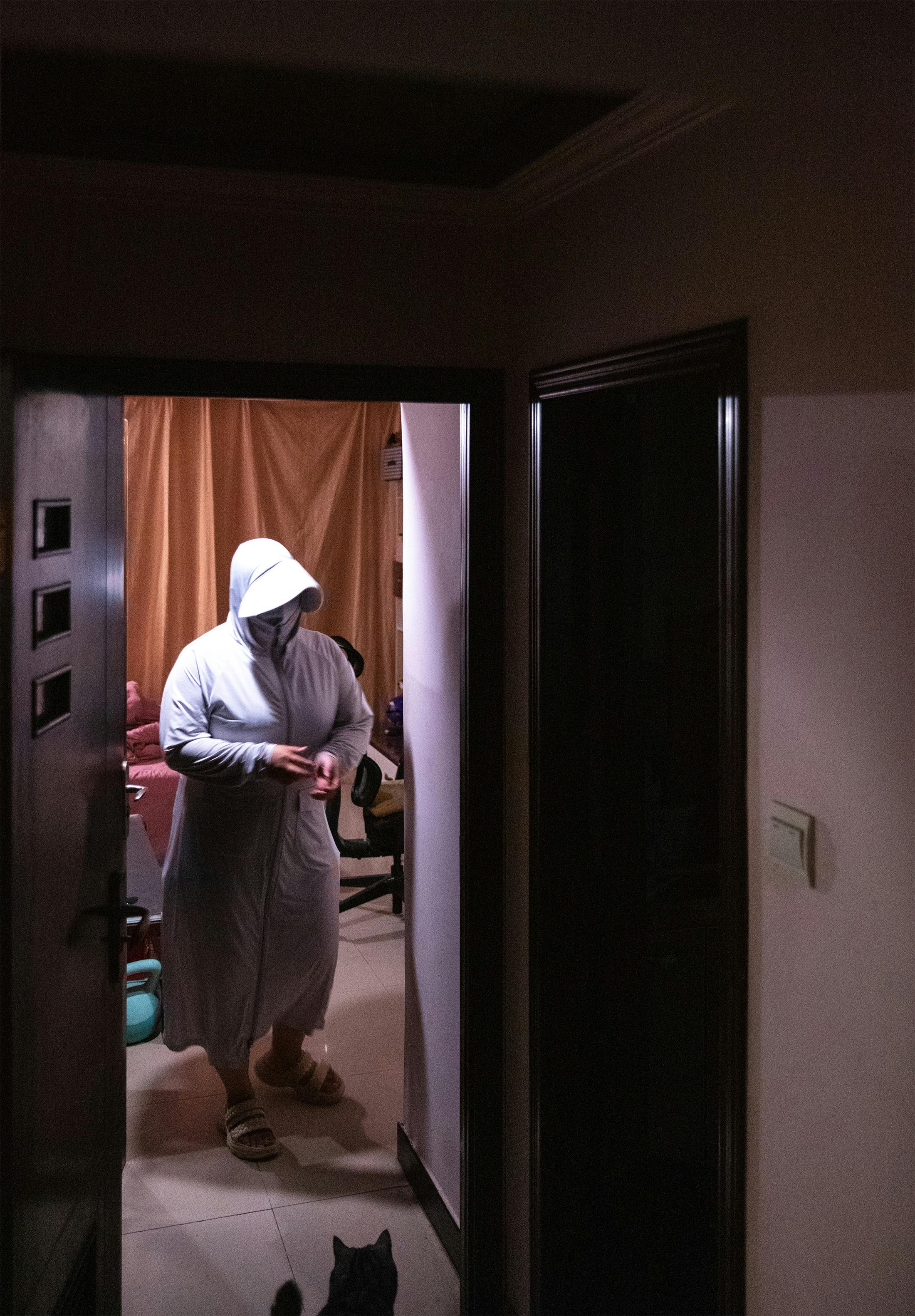
Instead of adventure, her life turned inward. “It started with a patch on my leg, slightly larger than a one-yuan coin, just a small bump. I didn’t take it too seriously. From then on, the intervals between my outbreaks got shorter and shorter, and the affected area grew larger. Sometimes it would spread to my whole body.”
Chronic spontaneous urticaria comes with itchy hives that are often accompanied by swelling. The symptoms can persist for several weeks, often without an identifiable trigger. The hives typically surface and subside within 24 hours, fortunately leaving no permanent scarring.
Living under a mask
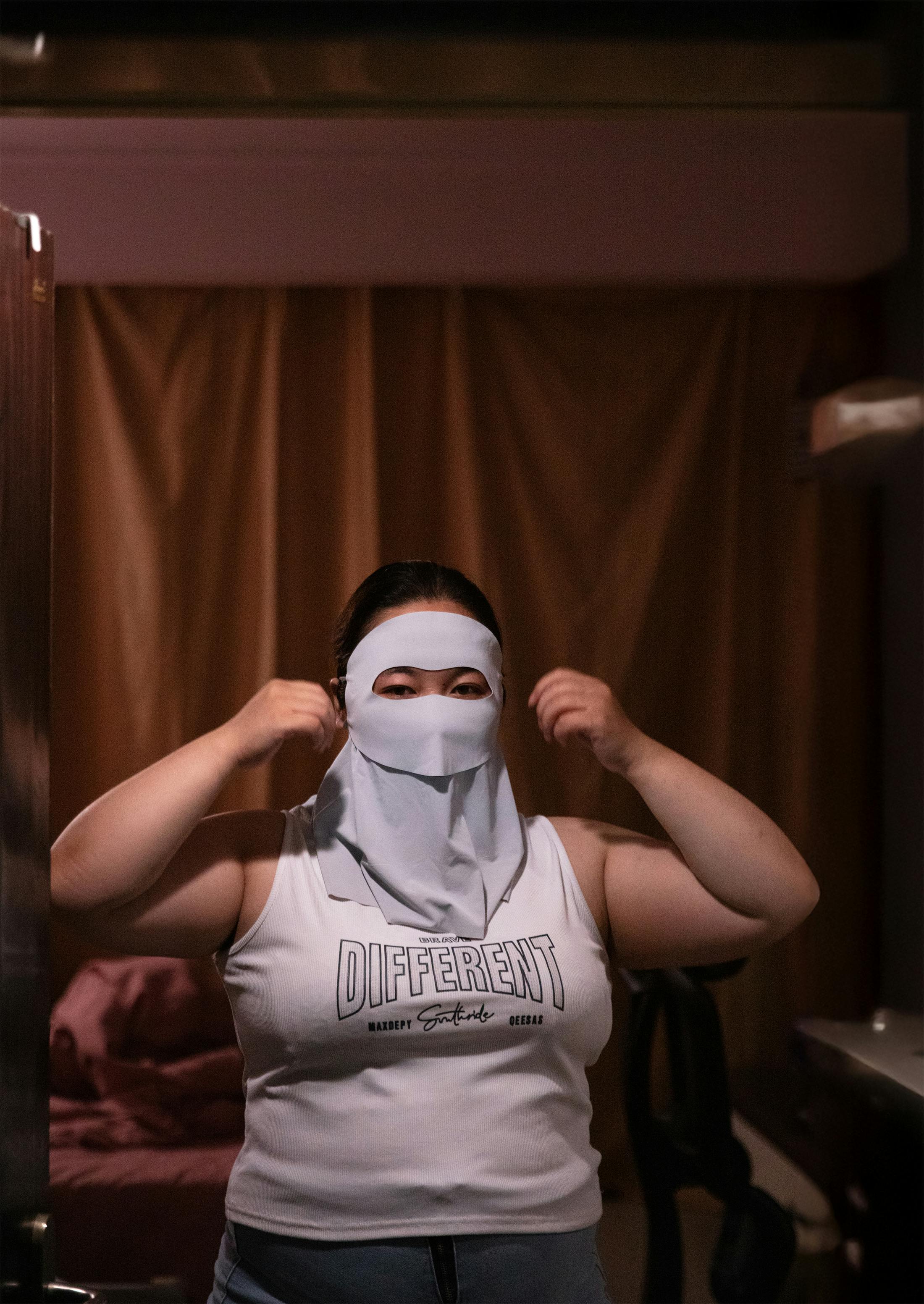
“The hardest thing to accept was when it spread from my neck and gradually moved to my face,” Jiahui said. “Back then, I couldn’t be exposed to the wind, and I was afraid of sun exposure. I was also afraid of the cold and the heat. In the summer, I had to wear long sleeves and pants to cover the exposed parts of my body. And I had to wear a mask.”
To shield herself from the environment, Jiahui had to regularly put on a full-body coat to avoid making the condition worse, which can be so itchy that it deprives patients of sleep and puts them in a state of heightened nervousness throughout the day. While flare-up episodes peak and recede, patients generally feel oppressed even when symptoms disappear.
The mask and protective suit became regular companions and symbols of her reclusive life that increasingly turned inward. Literally, no one seemed to see her – whether at work or even at home.
“Going out for a bike ride or something like that – I usually declined those kinds of invitations. I was just a lone wolf, heading home from work alone. Looking back, those years felt pretty lonely to me,” she recalled.
An often-ignored aspect of the disease is the sense of isolation and anguish that can overwhelm patients, making them insecure in public and leading them to live a more sequestered life, abstaining from social interactions and more intimate relationships.
A destroyed career dream
Work life can also be severely impacted. During her studies, Jiahui’s first internship as a journalist turned into a nightmare. Instead of working for two months at her first employer, she was only capable of staying there for about a week.
“When I asked for a medical leave, my leaders would often say, ‘It’s just a rash. My goodness, you’re so delicate!”
Jiahui Zhang
“Because my hives flared up so intensely during this time, I had to interrupt my internship. I studied journalism, but because of the situation back then, I had to give up my dream of becoming a journalist, something I had really longed for,” she said.
Even after she finished her studies, many employers in the communication and marketing space, where she was employed later, would have little patience with her situation and end the contract with Jiahui usually after a few months.
“The people around me didn’t understand. They’d say: ‘It’s just a rash, just some bumps. What’s the big deal?’ When I asked for a medical leave, my leaders would often say, ‘It’s just a rash. My goodness, you’re so delicate!’”
An odyssey
The sense of isolation grew even bigger when close relatives failed to grasp her situation. Her mother would often reproach her and lecture her on her diet and sleep habits. The darkest moment came when her mother urged her daughter to find a boyfriend – a well-meant advice that ended in a harsh war of words.
“I rejected my mom’s suggestion of a boyfriend, and she got a bit angry, because I didn’t listen to her. She blurted out: ‘Who would want a girl with a skin condition?’ It was an unintentional comment, but it broke me down for a long time,” she recalled, close to tears.
During all those years, Jiahui faced wall after wall. Socially isolated and at odds with her family, she also felt disappointed by the medical support she received. “I really have no choice, I often thought to myself. No matter how hard I tried or what methods I used, I ran into a wall.”
She tried all types of medication, but to no avail. “I used all the clinical treatments, from antihistamines to steroids. I even tried alternatives such as topical medications, Chinese herbal medicines, probiotics, and so on.”
Failure after failure – for eight long years – took its toll on her. “It really messed with my mindset. In the process of enduring this repeated torment, I started to have great doubts about life, about myself, and about my future. For a period after that, I was using antidepressants,” she admitted.
Greeted with understanding
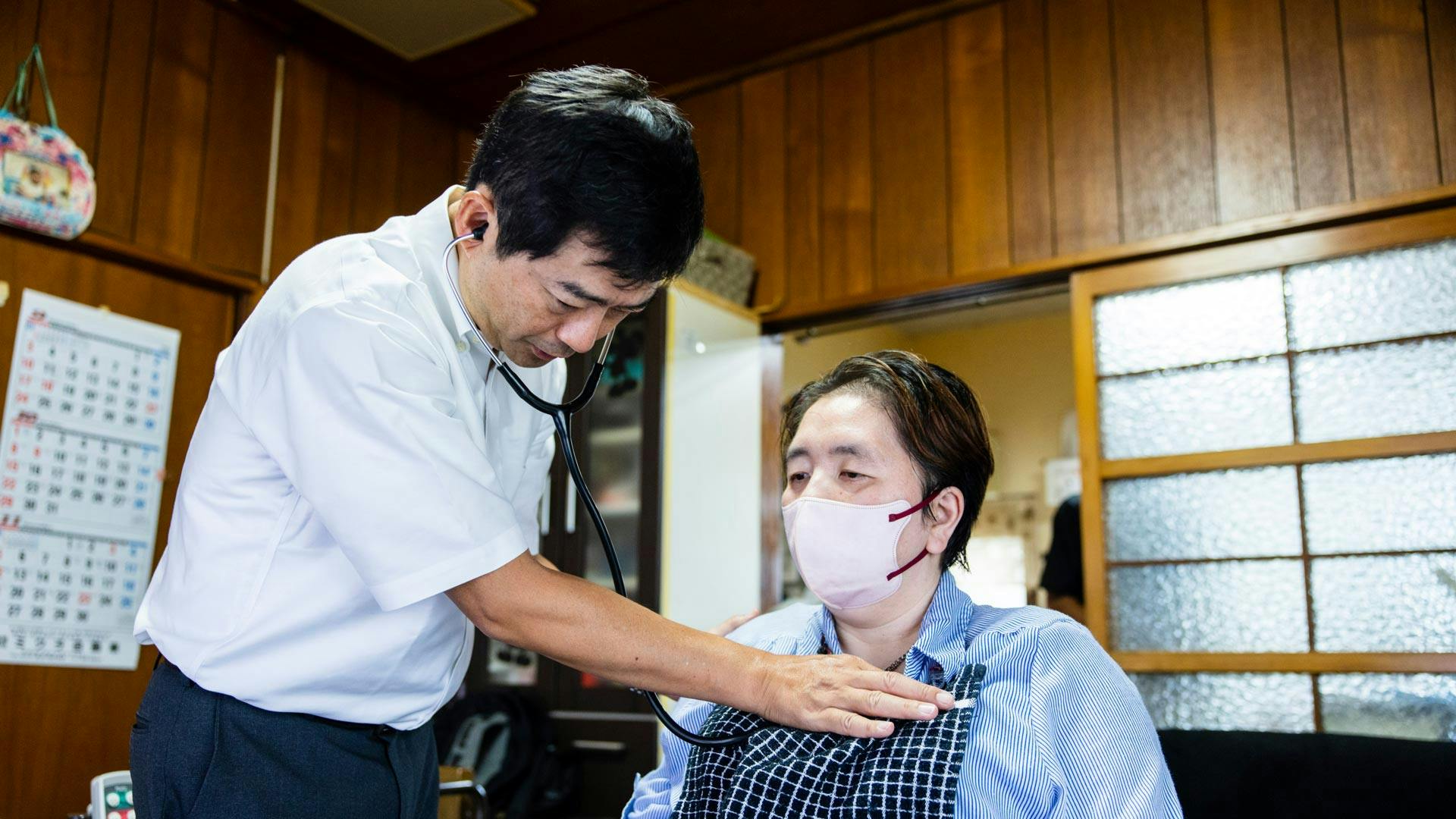
The first sign of change would come unexpectedly when Jiahui found a new job where her supervisor understood her health situation. She had a child suffering from eczema and was aware of both the need for frequent doctor’s visits and medical absences as well as the psychological drain it can have on a patient.
Finding such a welcoming attitude was a boost to her self-confidence and opened an unprecedented avenue for growth. While in her previous jobs she was often relegated to supportive and menial tasks and left them voluntarily after a while, she now had the chance to take on more responsibility and even be a team leader.
This might even have given her the strength to finally try dating. One of her friends had earlier tried to connect her with a graphic designer, but she was initially reluctant to meet him.
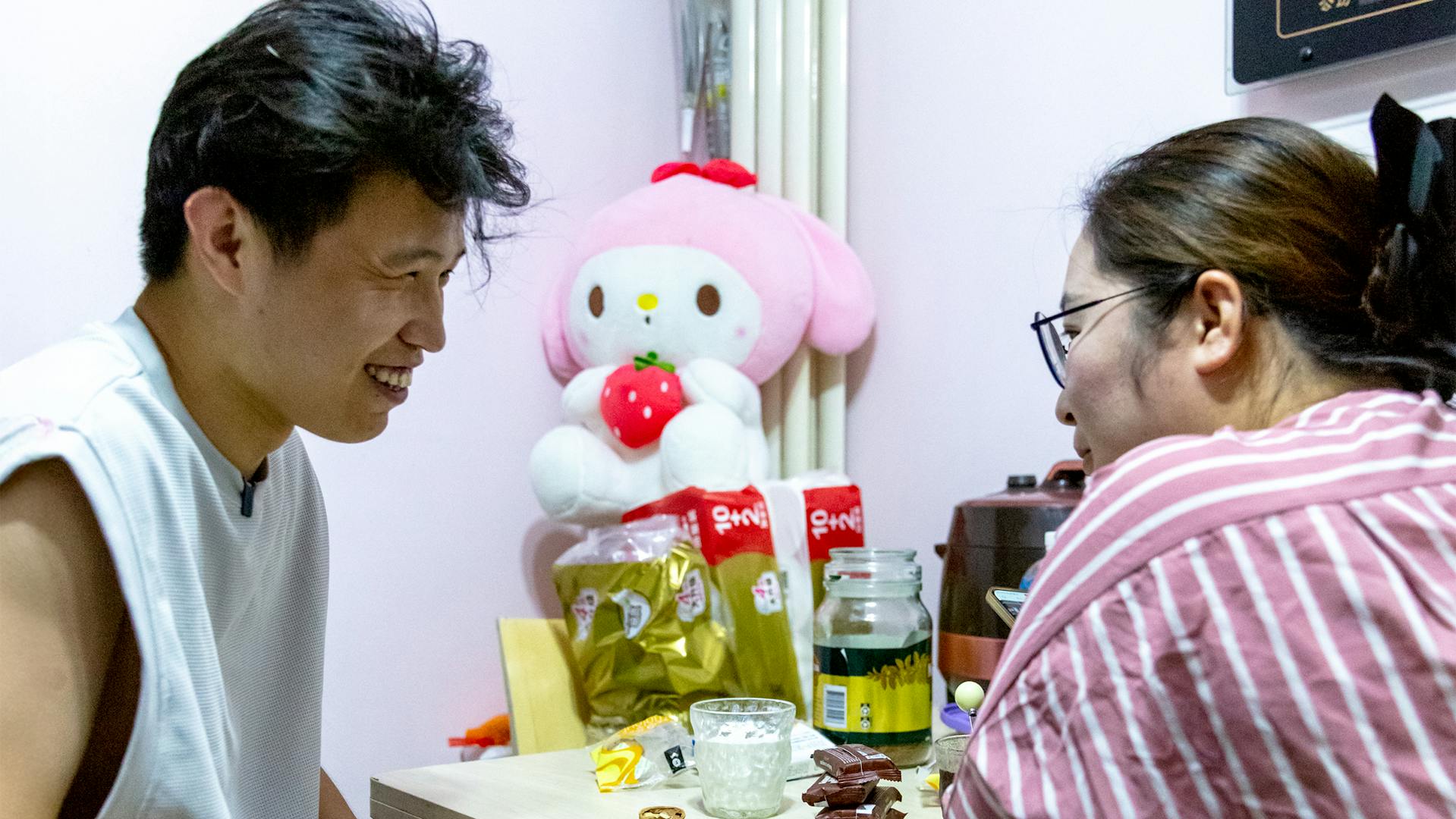
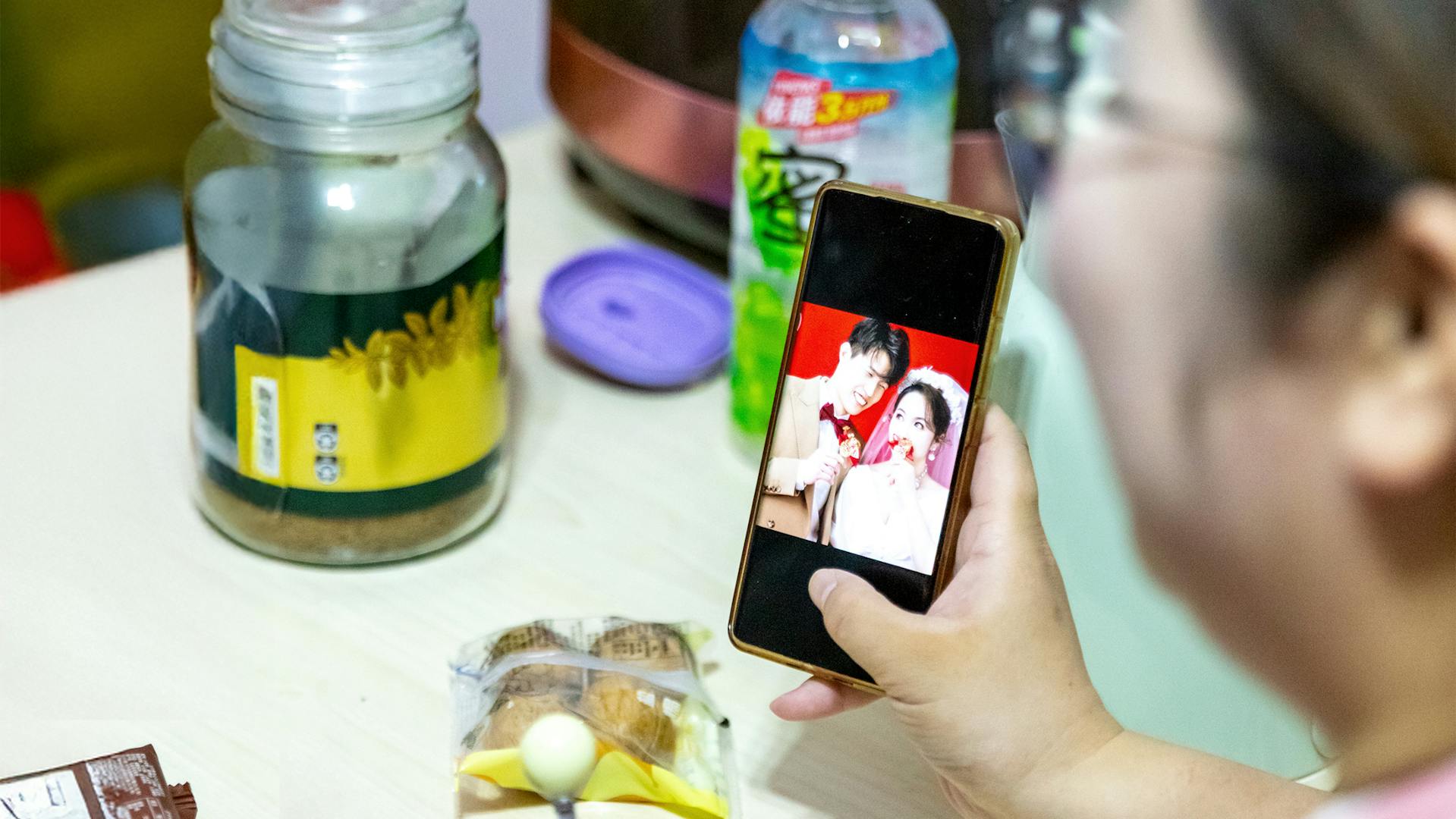
Jiahui’s husband has been her strongest supporter and was always ready to assist her even when she lost trust in herself.
Sitting together for a late-night tea, Jiahui and her husband look at their wedding photos and talk about their future.
“A friend of mine tried to set me up with someone. I longed for love back then, but I felt no one would like me. So, when I saw Feng Li the first time, I felt a kind of distrust or fear,” she recalled.
In her mind, self-doubt and self-criticism still loomed large. She confronted him right away; “‘You’d want to date a healthy person, right? But I might not meet that requirement. Are you really sure?’ I asked him. I was very uncertain. But he gave me a very firm response: ‘It’s just a condition. Who doesn’t have some kind of illness? Just treat it.’”
Good karma
Feng Li’s direct way of answering Jiahui’s deepest fears cracked her open. They became a couple shortly afterward and married a year later. Jiahui might have realized that in him she had found more than just a husband, she had found a true and courageous partner who would support her no matter what.
Even as she continued to struggle with her disease, Feng Li remained at her side. “When I went to get the hormone injections, he accompanied me. After that, he was with me the whole time, witnessing everything. He stood by me during the most severe and critical stage of my illness. In religious terms, I believe he is my good karma.”
When Jiahui received an opportunity to see another doctor who suggested that she try a biological treatment, it was her husband who nudged her to take the risk, even at the chance of yet another failure. “I sent him a WeChat message saying it was raining and I didn’t want to go,” Jiahui recalls. “He told me to at least try, and if it didn’t work out, then not to force it.”
She had little hope that the new treatment would bring about a sea change. Eight years is a long time. And although hope is said to die last, conditions such as urticaria can weigh so heavily on patients that they eventually lose the will to expect any improvement.
However, the fresh attempt turned out differently, albeit not overnight. “One day, while working, I suddenly realized: ‘I haven’t had a flare-up in a long time.’ It continued for many days, and I could sleep through the night. When I looked in the mirror, I felt my condition was getting better and better,” Jiahui says, recalling the first signs that her treatment had an effect.
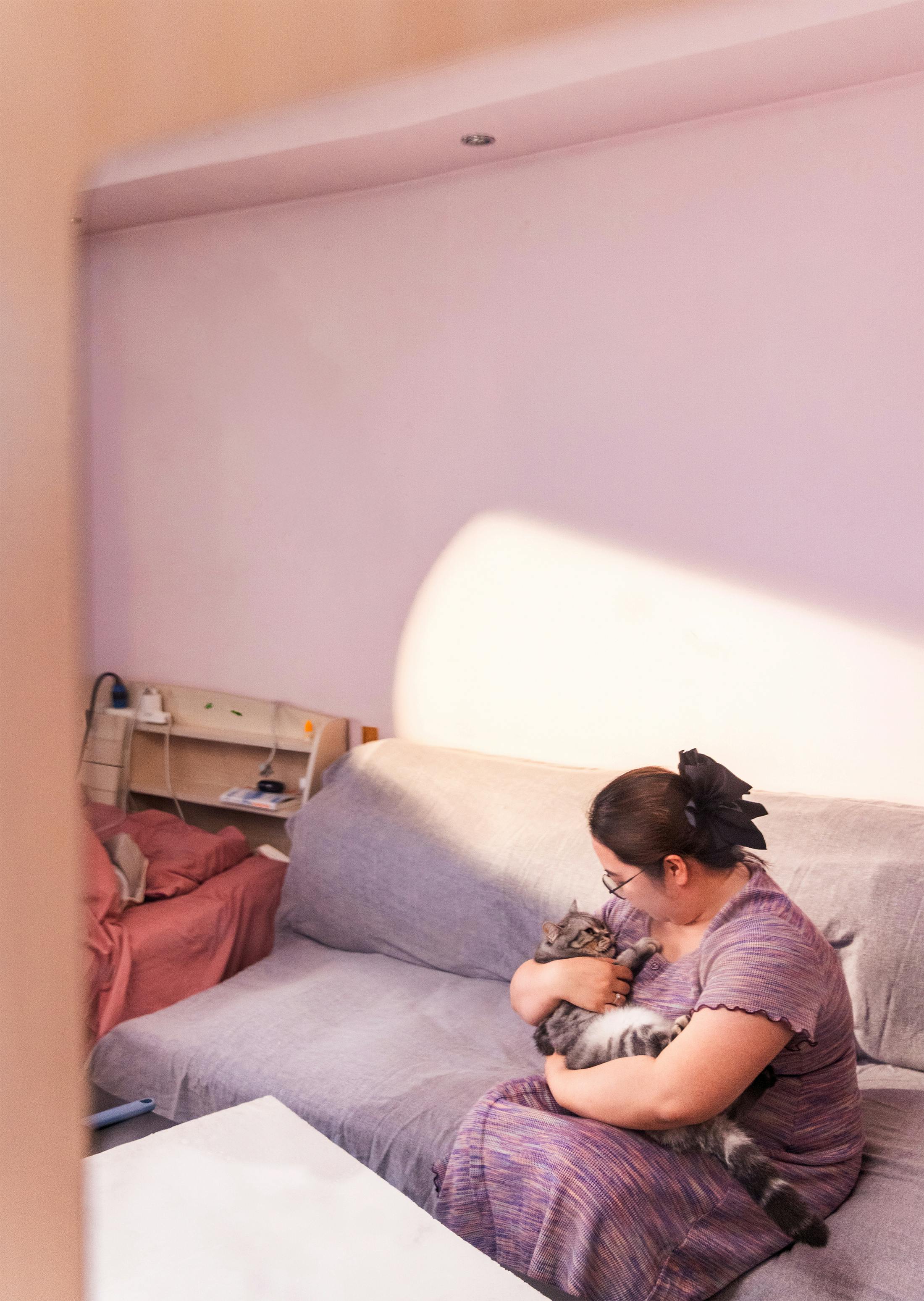
During her darkest moments, Jiahui’s cats were giving her emotional stability.
Flying kites
As Jiahui gradually regained control over her health situation and started to feel more confident, she felt the courage, most likely inspired by her husband, to take life into her own hands and pursue her dreams again.
One of the first wishes she granted herself was to go out and reconnect with the wind and the raw elements of nature, something she had so painstakingly avoided in the past. She remembered how, as a child, together with her grandfather, she would often fly a kite.
Fired up with energy again, she bought herself a kite and one day decided to relive the moments of her childhood. “My grandpa bought me a kite, a blue butterfly kite, when I was a kid. I loved flying that kite, running in the fields in front of my grandpa’s house. That’s a precious memory I hold deep in my heart.”
“One year, the wind in Beijing was quite strong, but the weather was nice. I bought myself a kite and started running with some kids, flying kites together. It felt so joyful, like I was back in my childhood,” she recalled, not without tears in her eyes as she was overcome by the memory of her grandfather, who had only recently died.
Professional fulfillment
Over time, Jiahui became more daring, counting on and receiving support from her husband. When she finally decided to open her own social media company, Feng Li not only encouraged her to do so, but later joined her start-up.
The idea to go her own way professionally – even against her mother’s wishes – was inspired by one of her uncles, who had suffered from cancer and from whom she learned not only more about the condition but also about what many patients must go through.
“I gained a deeper understanding about cancer patients from my uncle. Then I started my own business, helping doctors with science outreach, and promoting and planning content for scientific knowledge,” she said. “This disease, like my hives, suffers from a lack of awareness. To truly control a complex disease, a key issue is the information gap. We’re helping people race against life,” she said.
Among the clients she gained over the span of a year are many key oncologists in Beijing, who use social media to reach out to potential patients and share science-backed insights with them. Jiahui and her husband have helped some of these specialists reach out to hundreds of thousands of patients with their posts.
Jiahui and her husband prepare a social media post for one of their clients.
Occasionally, she also posts about herself and her disease journey with chronic spontaneous urticaria. In one instance, when we accompanied Jiahui to her weekly gym lesson, where she is supported by a personal trainer who also gives her boxing classes, she posted a picture of her exhausted, but happy face.
Lizi, Bobo, and Xiaoju
Today, Jiahui’s joy and energy are mesmerizing. We felt it throughout our stay in Beijing. Her disease, though no longer visible and held in check by the new treatment, was still present –not so much in her memories, but in the way she tackles life and faces challenges head-on.
Living in a small apartment together with her husband and sharing the one-room flat with a cousin, Jiahui has reorganized her life around her little family, her business, and around her wish to enjoy life to the full. The dark and lonely moments of her past are her guiding light to take life into her own hands, even if Jiahui’s choices are sometimes at odds with her family and tradition.
Over dinner with her friends from university, she discusses the future and talks about a time when her social media business will help Jiahui and Feng support a better life and come closer to their dreams. She relishes each moment with her friends, also the hot, Beijing-style dishes, with their spicy peppers and sweat-driving chilis that she had to avoid for so long.
“When I look in the mirror, I feel my condition is getting better and better. I am gradually approaching a normal person’s life. The treatment is working well, and I’ve started going out more. I especially enjoy going to the mountains to feel the breeze,” Jiahui said.
At home, Jiahui and her husband have three more companions, Lizzi, Bobo, and Xiaoju, three cats that share the small apartment with them. They are another sign that Jiahui is reclaiming her life and is shedding the wounds of the past.
After her first cat, Yaya, was poisoned, Jiahui missed her deeply. When her husband suggested having another cat, she initially refused. “I felt all cats might be cats, but no cat could be Yaya.” Still, she longed for companions and adopted three cats all at once.
Like the little kitten at the Tan Zhe Si Temple, which reminded her of Yaya, she has learned to open her heart again and overcome her past with energy and care. Jiahui was heavily burdened by her skin condition for nearly a decade. What she has learned from this experience is to put her skin in the game, fight for her dreams, and live a life where she can be comfortable in her own skin.