Live. Magazine

Travels in medicine
Africa in his heart.

A life dedicated to public health
Marcel Tanner’s fascination with the natural world began in the lush fields and dense forests of his childhood in Switzerland, walking alongside his grandfather, a knowledgeable farmer, local parliamentarian, and seasoned hunter. These early experiences not only helped to create a deep connection to nature, but also ignited his lifelong passion for science and healthcare.
Text by Goran Mijuk, photos by Adriano A. Biondo.
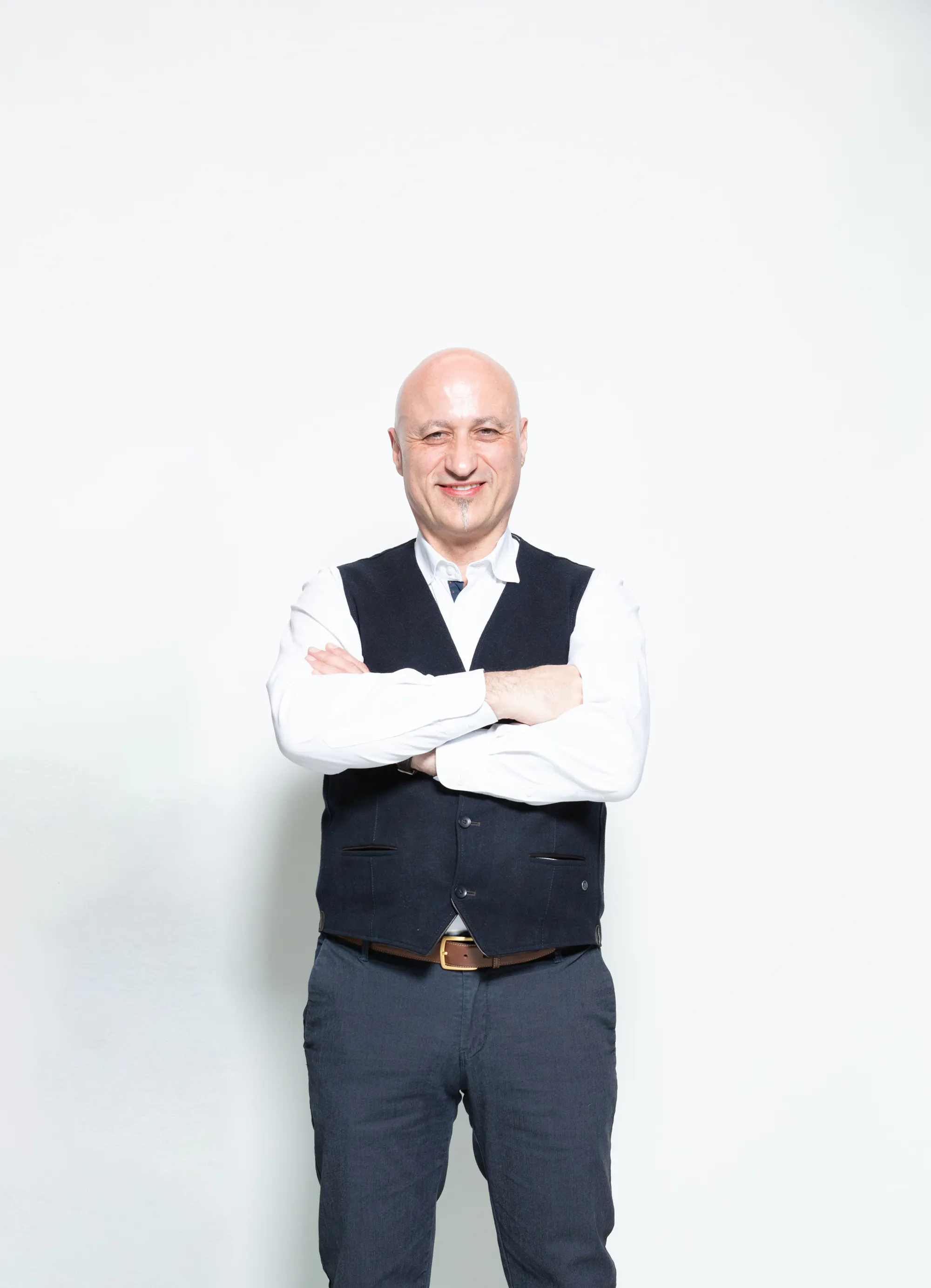
I was surprised to learn that Marcel Tanner’s early career plans had revolved around leading a local watch parts business in Baselbiet, the home place of his mother. I was sitting opposite the energetic 71-year-old public health luminary in a meeting room in the newly opened headquarters of the Swiss Tropical and Public Health Institute, an institution he had shaped for more than 30 years.
I had prepared around a dozen questions that I had sent him beforehand, expecting a lively question-and-answer session, when Tanner, whom I came to know more intimately through his work for the Novartis Pavilion Advisory Board, took a deep breath and started to speak. For over an hour he would not stop. He wove a life story that not only touched on all the points I was interested in, but also enlivened the narrative with a tapestry that resembled a rich river delta with a myriad side streams, mysterious underwater tunnels, and little lush islands.
It was the narrative of a man who is used to speaking in front of an audience and whose private and public life constitute a solid block of pure authenticity that is inspired by the care for patients and love for people as well as an unsatiable curiosity to learn about what holds the world together. And I should not forget – action.
Early travels
As a young man, he told me, Tanner was steered towards business school by his family. After completing his high school education with a focus on economics, his father and mother expected their son to take over a small factory owned by one of his uncles. Tanner, an only child, however, found himself drawn to nature, travel and adventure, feelings he came to cherish when he was with his grandfather, who had a farm.
“He always took me to the field. We picked cherries and we went on long walks through the fields, and to the forest. He always had his shotgun with him but never shot anything when I was there. But he always showed me how things worked,” Tanner said.
After finishing school, Tanner traveled to Canada and the United States together with a childhood friend. Their first destination was a farm in the Fraser Valley, where they worked for three months to earn money to finance their further travels. “I milked cows, mended fences, plowed the fields for hours and hours,” Tanner remembered. Later, he and his friend traveled on to Alaska, down to California and across to New York before heading home.
During the ensuing four months, Tanner had ample time to ponder his future. His heart vacillated between medicine, agriculture, and biology – he had already eliminated economics. The solution presented itself in the form of medical biology, a compromise that combined his varied interests. “Basel, I said to myself, has an ideal setting as it had courses in medical biology, which I wanted to pursue,” Tanner recalled.
Science with a purpose
A vision formed in his mind, which soon evaporated, however. “I saw myself working in a laboratory, maybe even at one of the pharmaceutical companies in Basel. But already in the first lecture series I learned about the world of parasites, which never really left me,” Tanner said.
Among his early mentors were Professor Rudolf Geigy and Thierry Freyvogel, two pioneers of infection biology and public health in Switzerland, who, among others, laid the basis for the Swiss Tropical and Public Health Institute and the Novartis Foundation, among many other things.
Geigy’s and Freyvogel’s lectures on pathogens and their complex life cycles within human hosts captivated Tanner. Here, he found a puzzling and fascinating world of biological adaptation and evolution. The challenge of public health, particularly the intricacies of breaking the cycle of disease, became his primary focus. “This carried me through my whole studies,” Tanner said. “It was clear that I wanted to do something that had to do with infection biology.”
He was especially drawn to the Basel Institute of Immunology, a Roche-sponsored institute founded in 1969 that over the years produced three Nobel Prize winners, Georges J.F. Koehler, Niels K. Jerne, and Susumu Tonegawa. “I liked the lectures and mainly the seminars at the Basel Institute of Immunology, where you could really let your thoughts run free, be exploratory at a very basic level,” Tanner said.
Tanner said that his time at the institute, which closed its doors in 2000, had deeply influenced his way of thinking and working and that the special kind of academic freedom he experienced there became a sort of masthead for his later work at the Swiss Tropical and Public Health Institute.
The realities of Africa are difficult to understand. The beauty of its landscape and people stands in stark contrast to the hardship of everyday life in both urban and rural settings.

Africa beckons
Africa, where he would later establish his career as a field researcher, was an early love of Marcel Tanner. His father was intrigued by the anti-colonization movement in Africa and had read many books about it. He also took young Marcel regularly to Basel’s famous Café Tropic, a place full of exotic highlights like live snakes.
In the 1950s and 1960s, before TVs became popular, the café’s owner, Paul Seiler, also organized photo and film matinées. “Paul Seiler, together with his colleague Bolle Baumgartner, made these long trips through Africa and documented them, often with heavy 16-millimeter film. There was one journey, three months, to Lake Victoria. A very famous trip they took was the one from Angola to South Africa, when they traveled around 50,000 kilometers by car,” Tanner remembered.
Given his early interest in Africa, it was a small step for Tanner to join the Swiss Tropical Institute, as it was called back then in the mid-1970s, and to pursue his master’s thesis on sleeping sickness. As part of his studies, he identified antigenic variations in trypanosomes, which was his first significant contribution to the field and the subject of his first academic paper. This discovery was not only a scientific breakthrough but also a personal triumph.
“When you are a young scientist, and you have, just by chance, made such an interesting discovery, that gives you an enormous boost. And so it was very clear to me that I wanted to go on and do a Ph.D.,” Tanner said. Financial realities led Marcel to take an assistantship under Niggi Weiss, focusing on parasitic worms. His research took him to Cameroon, where he encountered the harsh conditions faced by those living with river blindness and other diseases.
Public health
Working with mobile surgical teams to extract worms from patients with infected nodules provided Tanner with firsthand experience of the broader health issues plaguing these communities, an exposure that proved transformative, as Tanner realized that the communities were suffering from many other health issues.
Diseases like pneumonia, malaria, and chronic illnesses were rampant, and the limited scope of his work felt increasingly insufficient. “Going to these villages had another impact on me. These people were coming to get the nodules removed. But they had many other health problems. At the time, however, there was nothing we could do. We only came for these worms. And that was the point when I said, ‘This is not what I want to do,’” Tanner added.
“The key was to be with the people, to really understand their needs.”
Marcel Tanner
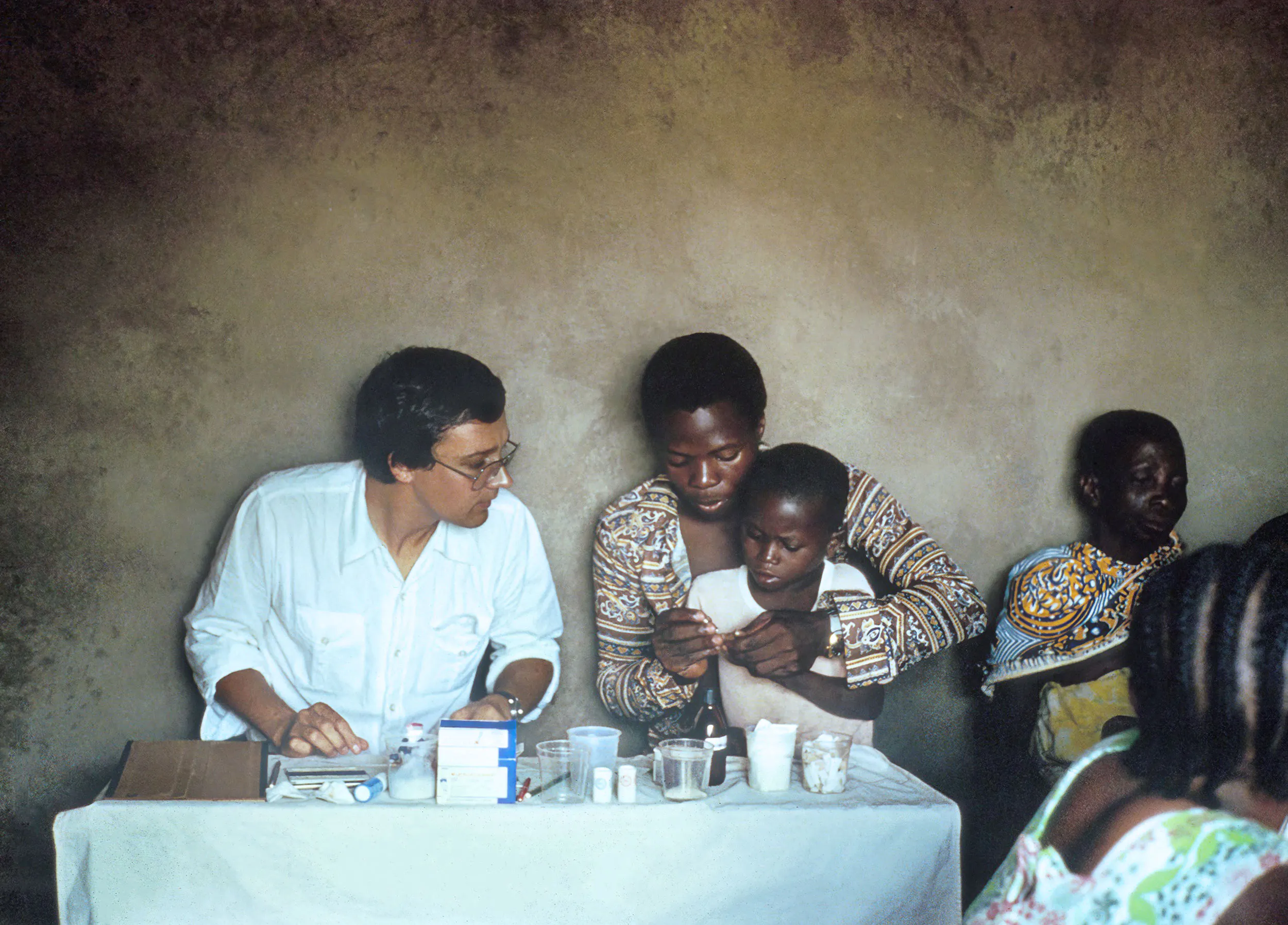
This is when he decided to move to Tanzania with his entire family and work at the Swiss Tropical Institute Field Laboratory. “The key was to be with the people, to really understand their needs,” Tanner said. During the four years he stayed there, Tanner broadened the scope of the research center and developed it into the Tanzanian Ifakara Health Institute (IHI) that became an independent trust led by Tanzanians and now a national and internationally recognized research and resources platform for the country’s health system. A Nature report in 2011 called IHI “the pearl of health research in Africa.” His stay also helped him shape a collaborative work philosophy, the partnership of mutual learning for change.
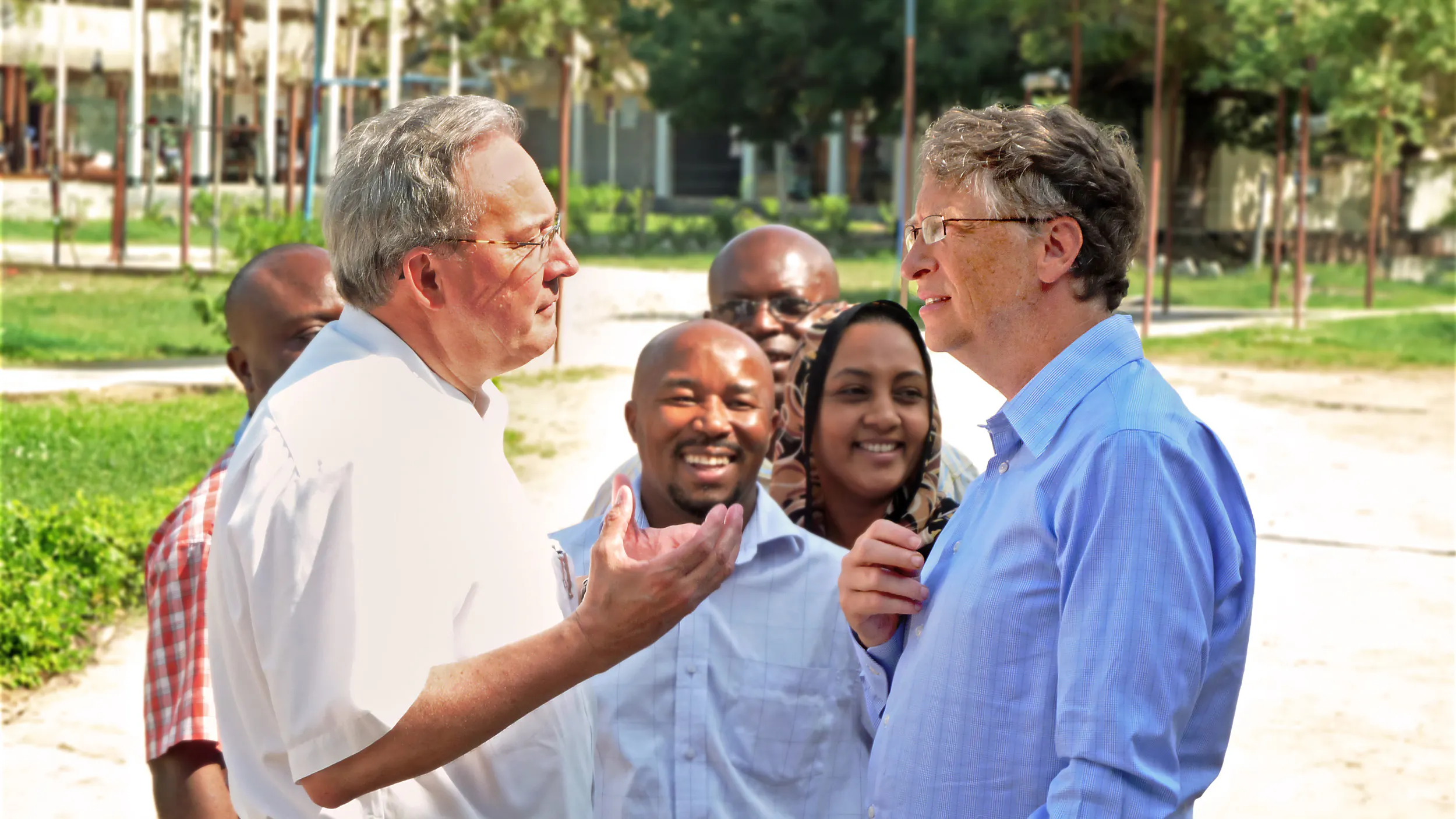
Marcel Tanner has traveled globally and engaged with some of the most influential figures in the field, including Bill Gates.
He understood that, if they were to have a real impact, health interventions required not only medical solutions but also community acceptance and collaboration. This philosophy later guided his efforts in establishing a new principle at the Swiss Tropical and Public Health Institute, which he led from 1997 until 2015. The add-on public health happened during his leadership – an achievement he is not only proud of but one which deeply reflects both his commitment to the field and his work ethic, which is based on partnership principles and aims to rid itself of all patronizing elements that are associated with the early, mostly philanthropic and charity efforts in the field.
Marcel Tanner’s work has been instrumental in the global push to eliminate malaria.
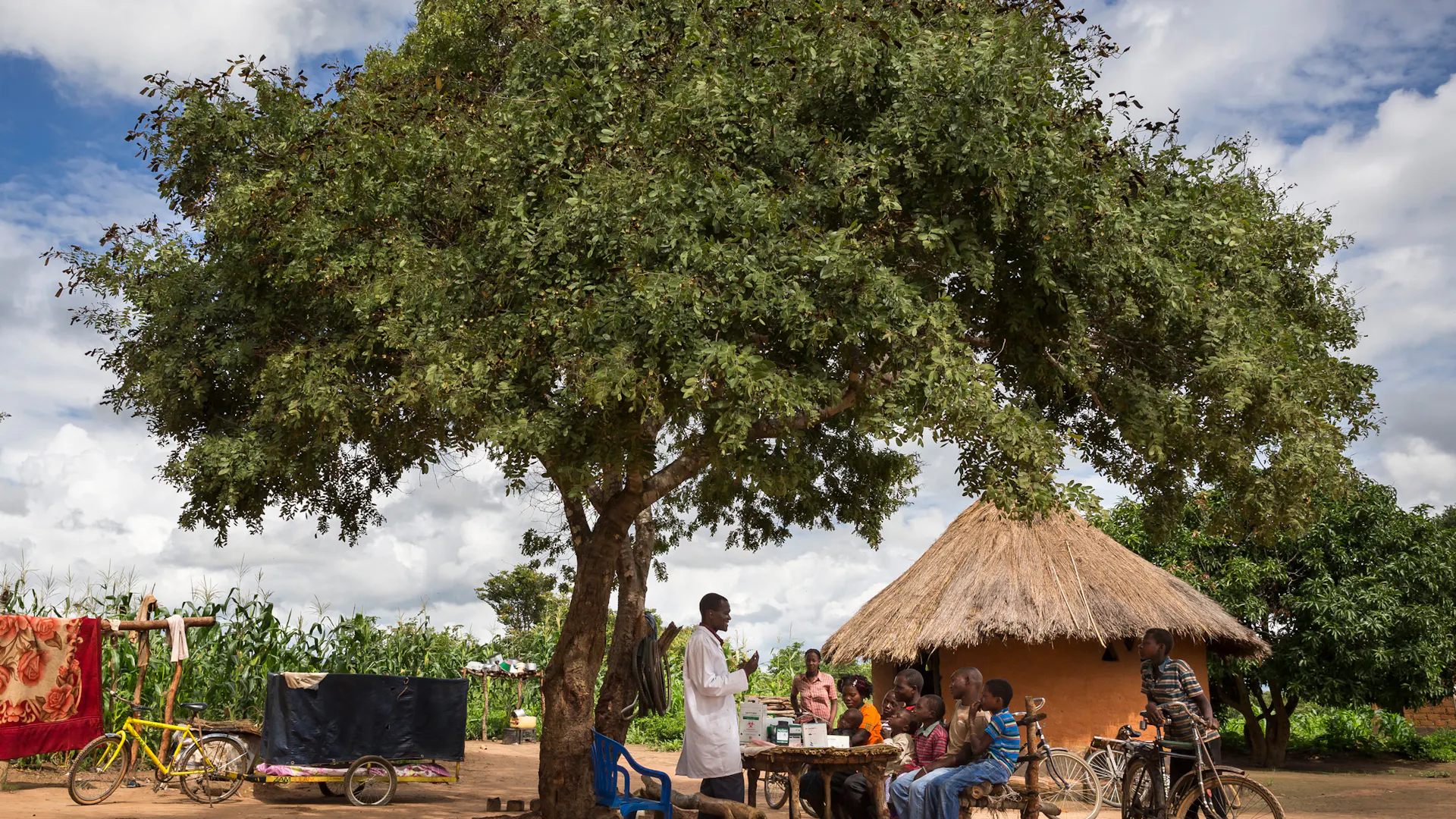
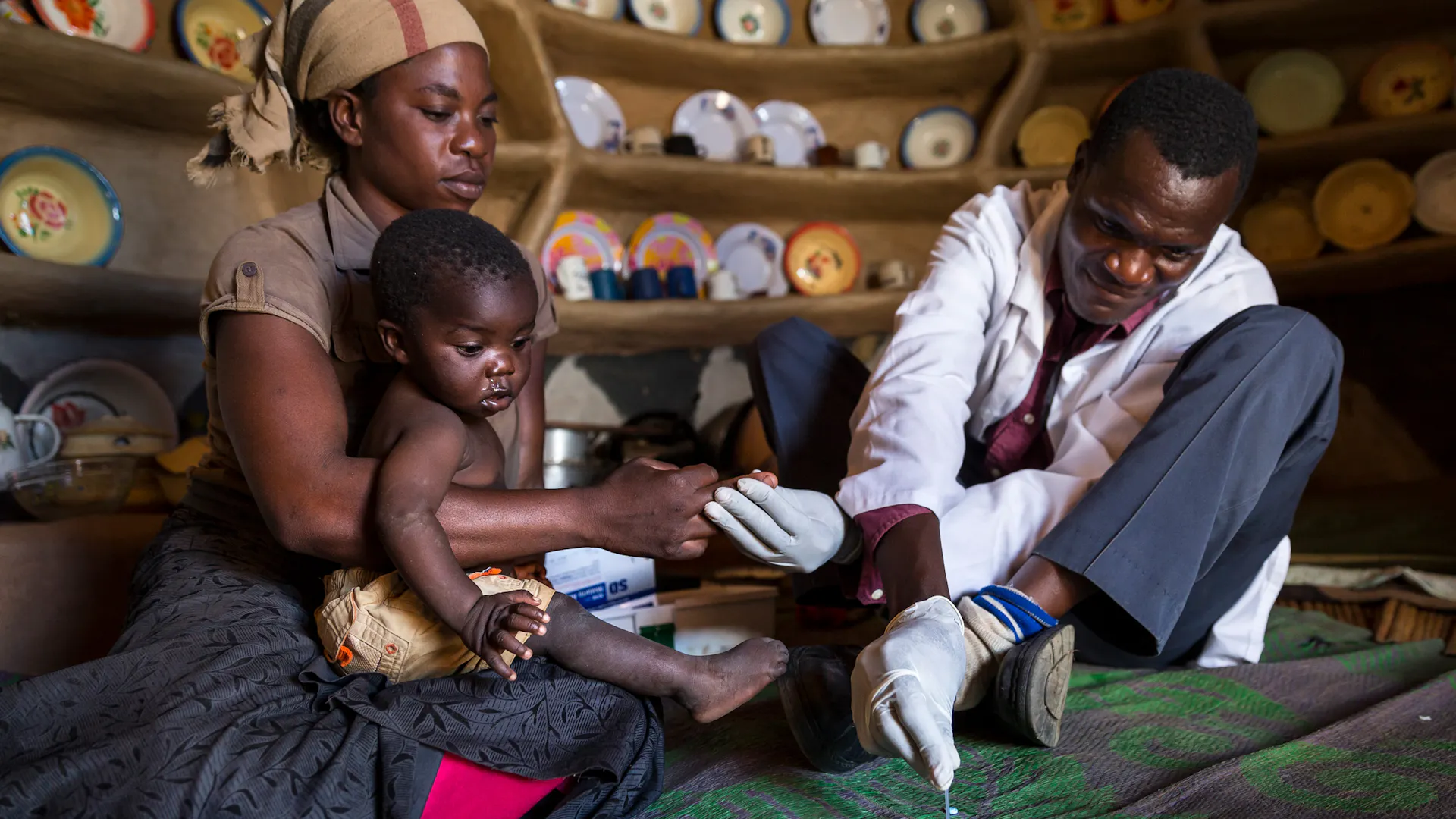
A healthcare worker visits a remote village in rural Ghana.
Children are among the most affected patient groups when it comes to malaria.
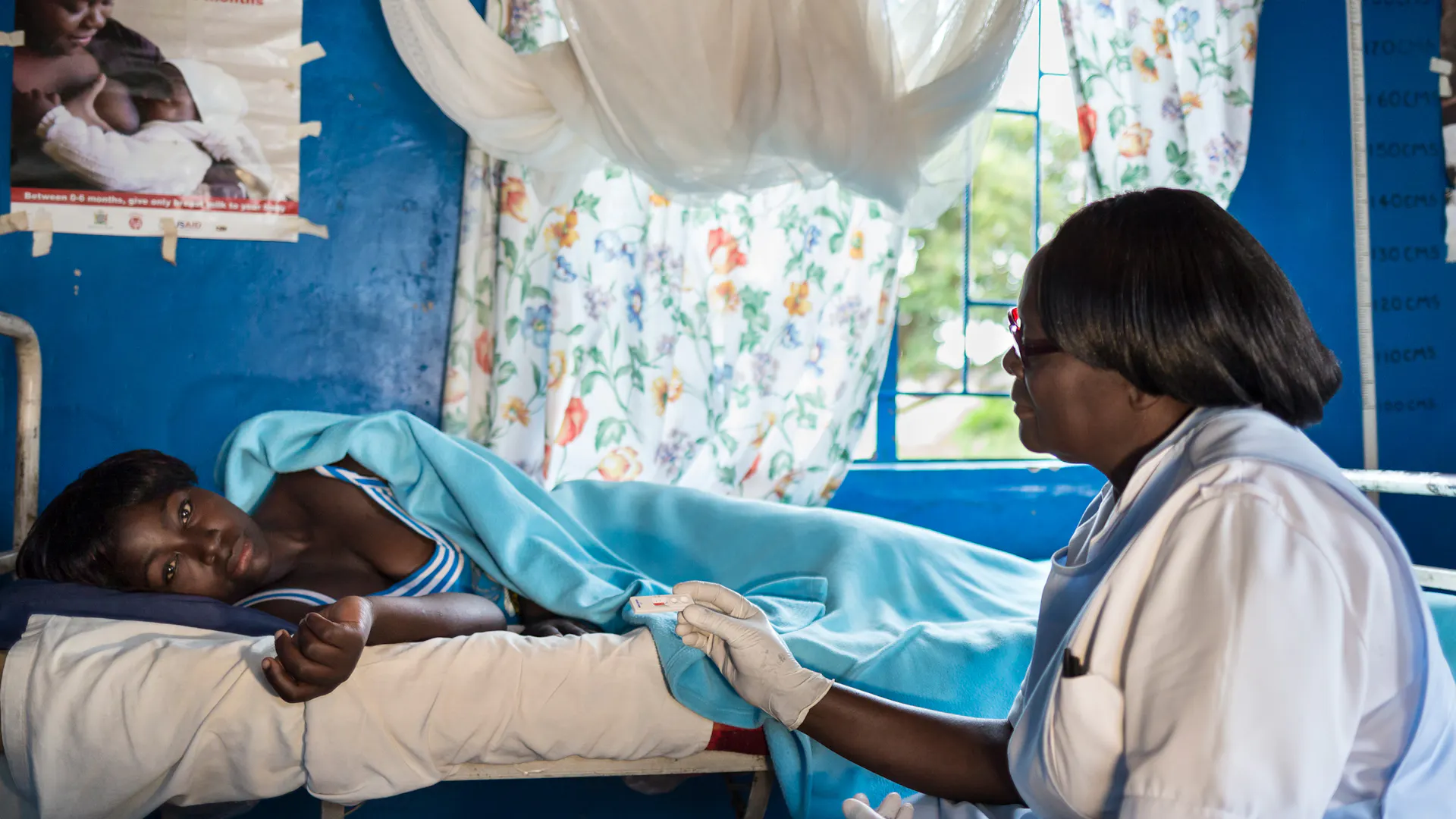
A nurse is tending to a patient who is suffering from malaria.
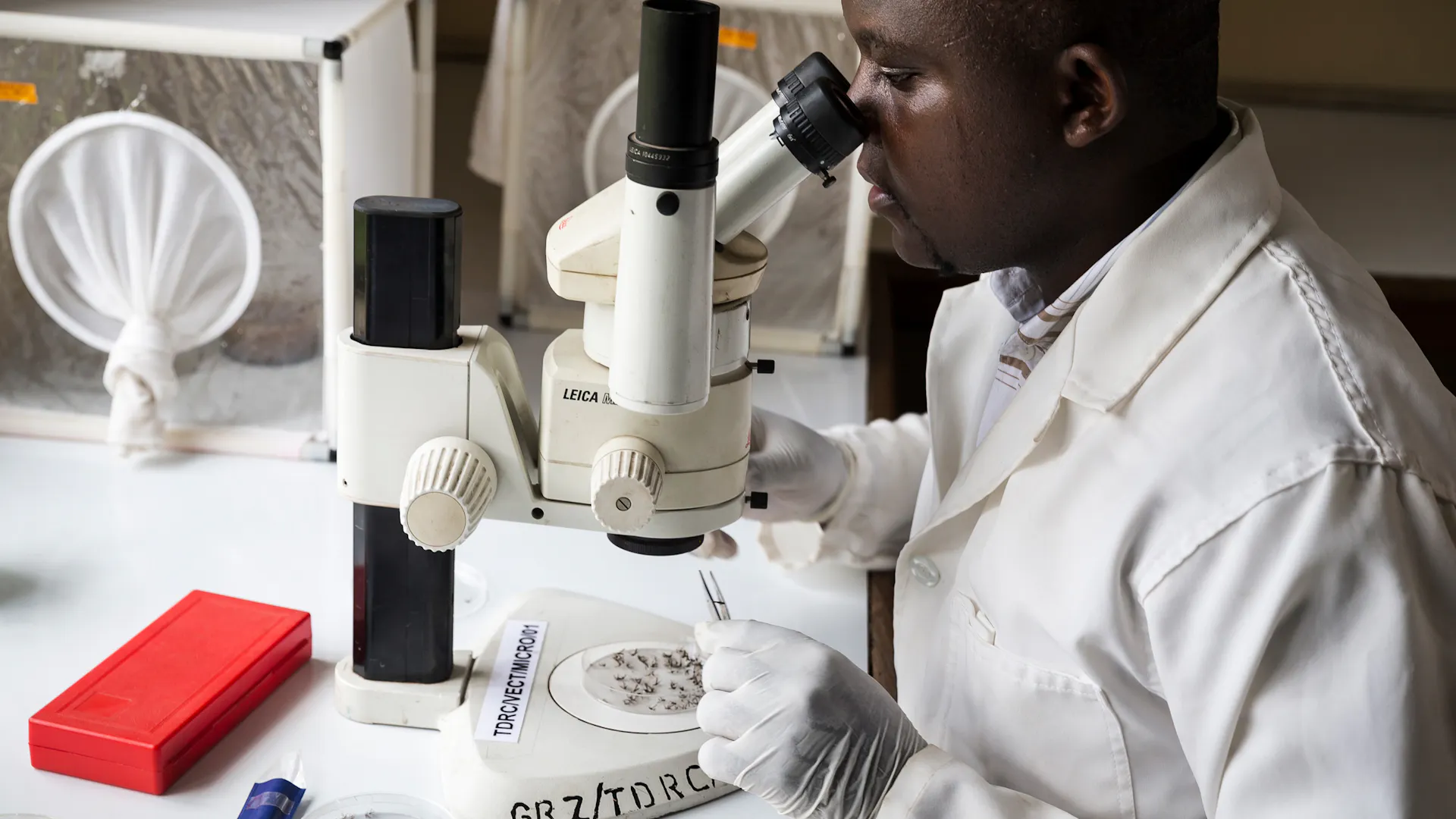
Scientific capacity building is instrumental to control malaria in Africa.
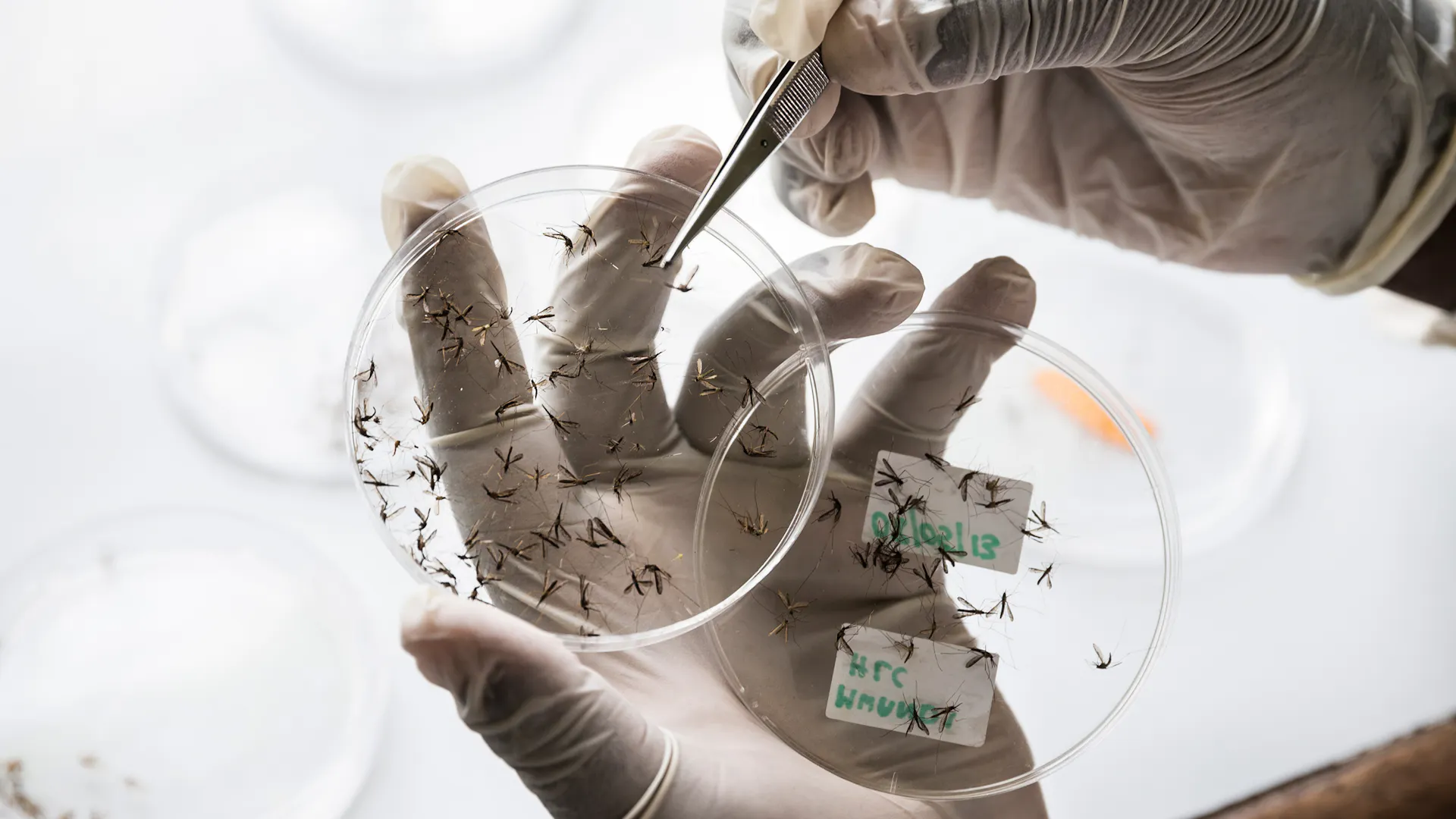
Understanding the underlying science and the disease vector is crucial.
Mutual learning for change
While he was able to substantially grow the size of the Ifakara research center, which today employs some 700 people with more than 200 scientists from Africa, the key legacy is its collaborative culture.
From the very start, Tanner said, it was crucial to approach work collaboratively, not just by dividing tasks geographically. While certain activities might need to be carried out in separate labs, the essence is to jointly define goals and collaborate in a way that fosters mutual learning and drives change.
“This principle, which I later established as a cornerstone for the Swiss Tropical and Public Health Institute, is not about merely helping or collaborating superficially. Rather, the focus is on engaging in a reciprocal learning process in science that leads to real transformation,” Tanner said.
“The importance isn’t how much each person contributes but that we work in unison and ensure that our discussions lead to tangible changes. This ethos of mutual learning for change has always been integral to our institute’s strategy, alongside maintaining strong partnerships,” he added.
Tanner also said that he organized his family life in a similar way, which was not always easy since his work schedule forced him to relocate often during his career: “It’s fascinating how collaboration extends even to family life. On May 21, 2023, I celebrated 50 years with my wife, Suzanne. Throughout our marriage, we’ve managed our responsibilities fluidly, not by strict roles or schedules, but by naturally finding ways to work together, even with our three children,” Tanner said.
“Our experiences living around the world in Africa, England, and Australia taught us the value of facing challenges as a unit. We didn’t adhere to rigid rules, like taking turns with the kids at specific times; instead, we adapted together to each new situation. This approach not only helped us tackle various challenges but also allowed us to pursue what brought us joy. While I don’t have a detailed analysis of our methods, our journey has been about overcoming obstacles together, which has been key to our happiness and success as a family,” Tanner explained.
The joy of action
This work ethic helped the Swiss Tropical and Public Health Institute not only to carve out a strong identity but also to make substantial contributions to global health. Among these, the work on malaria stands out, where they have developed new insights into the disease’s transmission and strategies to combat it. Their efforts have been crucial in shaping control and prevention measures that benefit regions plagued by the disease.
Furthermore, the Swiss Tropical and Public Health Institute has also excelled in enhancing disease management and public health strategies, particularly in low- and middle-income countries. Another key element of the institute is education and training, with comprehensive programs designed to equip the next generation of health professionals.
Under Tanner’s leadership, the institute grew from a modest team of 80 people to a vibrant community of 754 individuals from 62 nations by the time he retired. His vision was clear: to foster an environment of multicultural and transcultural collaboration that transcended the traditional barriers between the global north and south. Training and capacity building were integral to his approach, emphasizing the importance of sharing knowledge and empowering communities at all levels.
For Tanner, who is still active today on many boards and was a leading member of the Swiss Science Task Force during the coronavirus pandemic, work is intimately linked to joy – a lightness that he experienced already as a child when he wandered through the fields and forests with his grandfather or when his father took him to stimulating places such as Café Tropic in Basel.
“The three joys that have guided me through life form a triangle of fulfillment: the joy of discovery driven by curiosity, the joy of sharing, which underscores the value of communal living over isolation, and the joy of translating discoveries into action, making them practically applicable rather than just theoretical.”
Marcel Tanner
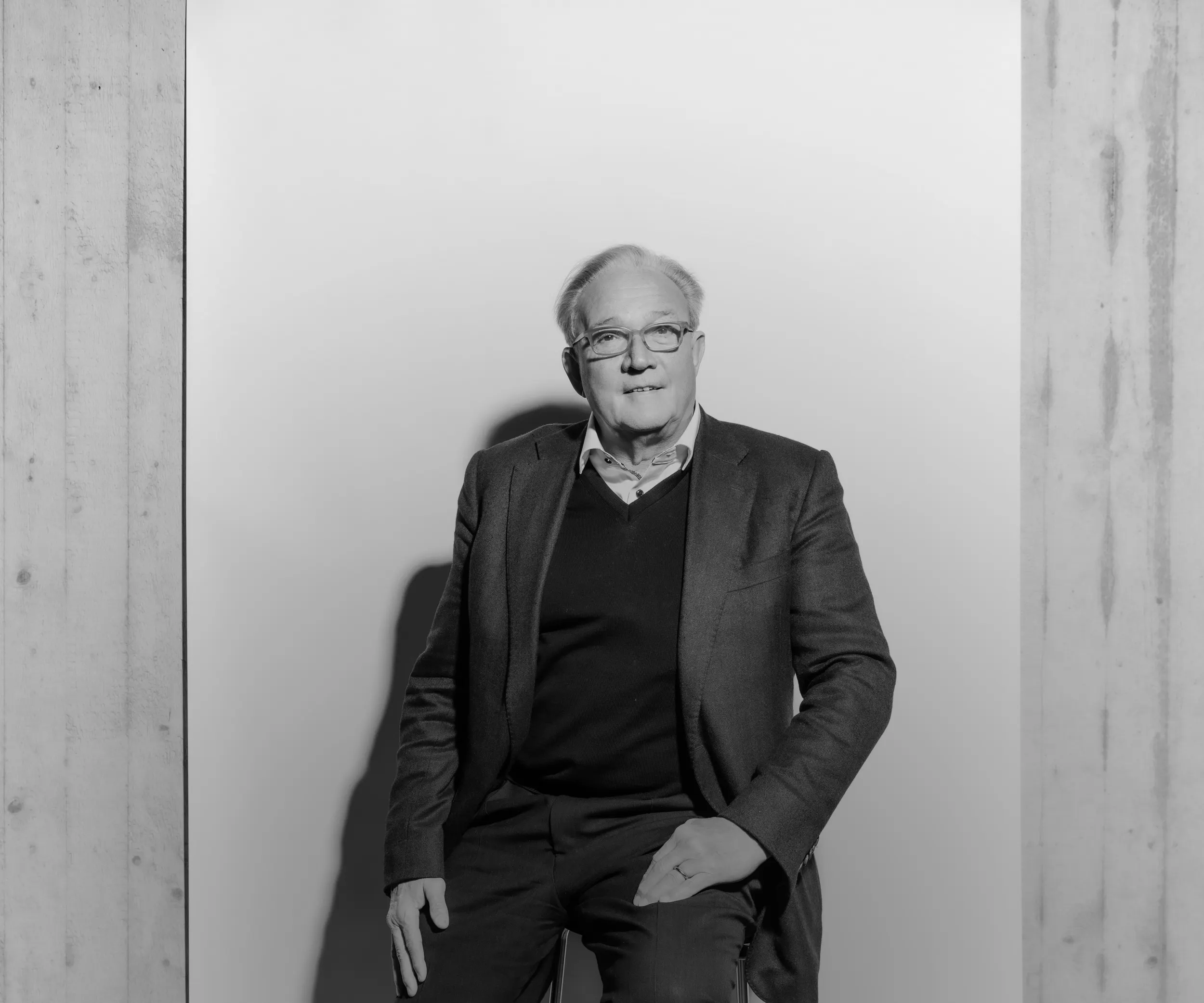
“The three joys that have guided me through life form a triangle of fulfillment: the joy of discovery driven by curiosity, the joy of sharing, which underscores the value of communal living over isolation, and the joy of translating discoveries into action, making them practically applicable rather than just theoretical,” Tanner said.
Sharing discoveries is not only rewarding but essential, fostering interaction and feedback. “This has been particularly invigorating for me in both teaching and public engagements with their inherent political dimensions. This approach distinguishes my work at the Swiss Tropical and Public Health Institute from traditional academic university settings, where the focus is on research, teaching, and training and often only a fraction of scholarly recommendations are practical, emphasizing the importance of being actively involved in the application of our findings.” Tanner’s actions are likely to continue to have their effect in future.