Live. Magazine
Science
Cardiovascular groundwork.

United by a common goal
Breakthroughs are rare in the world of science. To reach them, hard work, collaboration, and a common goal are essential, says the team led by Prof. Ulf Landmesser at the Charité University Medicine Berlin, which has united to change cardiovascular practice in a scientific collaboration also with Novartis.
Text by Goran Mijuk, photos and videos by Laurids Jensen and Nicolas Heitz.
It was a telling moment when Prof. Ulf Landmesser stopped one of his Ph.D. students in the corridors of the Charité to enquire about her research paper and remind her to finish it as soon as possible after she had told him that she had fallen behind her schedule.
The brief encounter was one of many that Landmesser had on that day of our visit back in November 2024. But the scene was enough for me to realize not only how much he cared about his students, but also that his key interest was to nurture exceptional talents.
“Hard work,” he said later, “is needed if you want to make a difference in the field of medicine. But so are communication and collaboration, which are vital elements in today’s increasingly complex world of science. Students, especially good ones, have to realize this early on.”
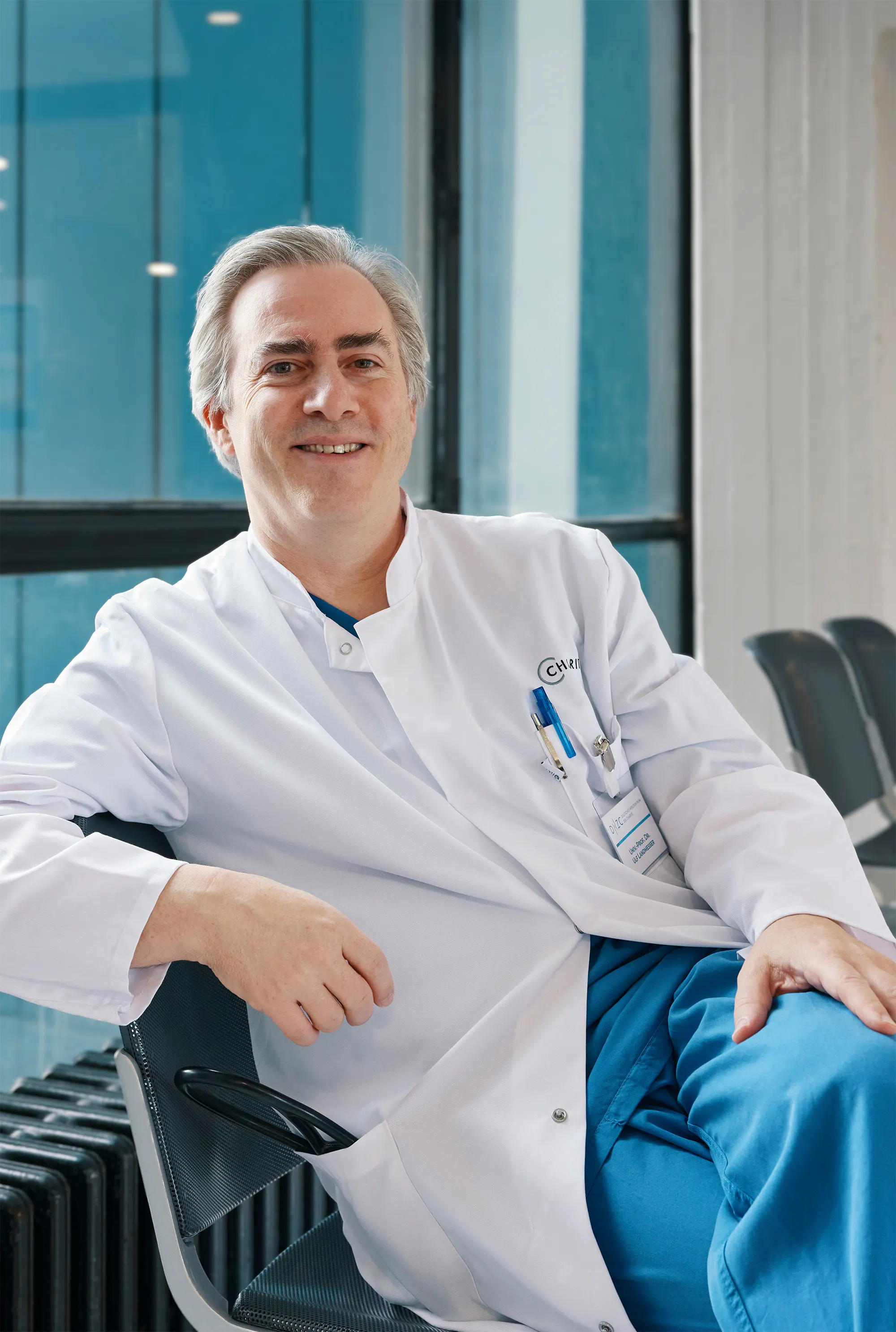
Prof. Ulf Landmesser poses for a portrait during one of his short breaks.
Landmesser knows what it takes to make a difference. His team at the Department of Cardiology, Angiology and Intensive Care Medicine at the Deutsches Herzzentrum der Charité is a hand-picked crew, which he put together to revolutionize cardiovascular care.
Collaboration
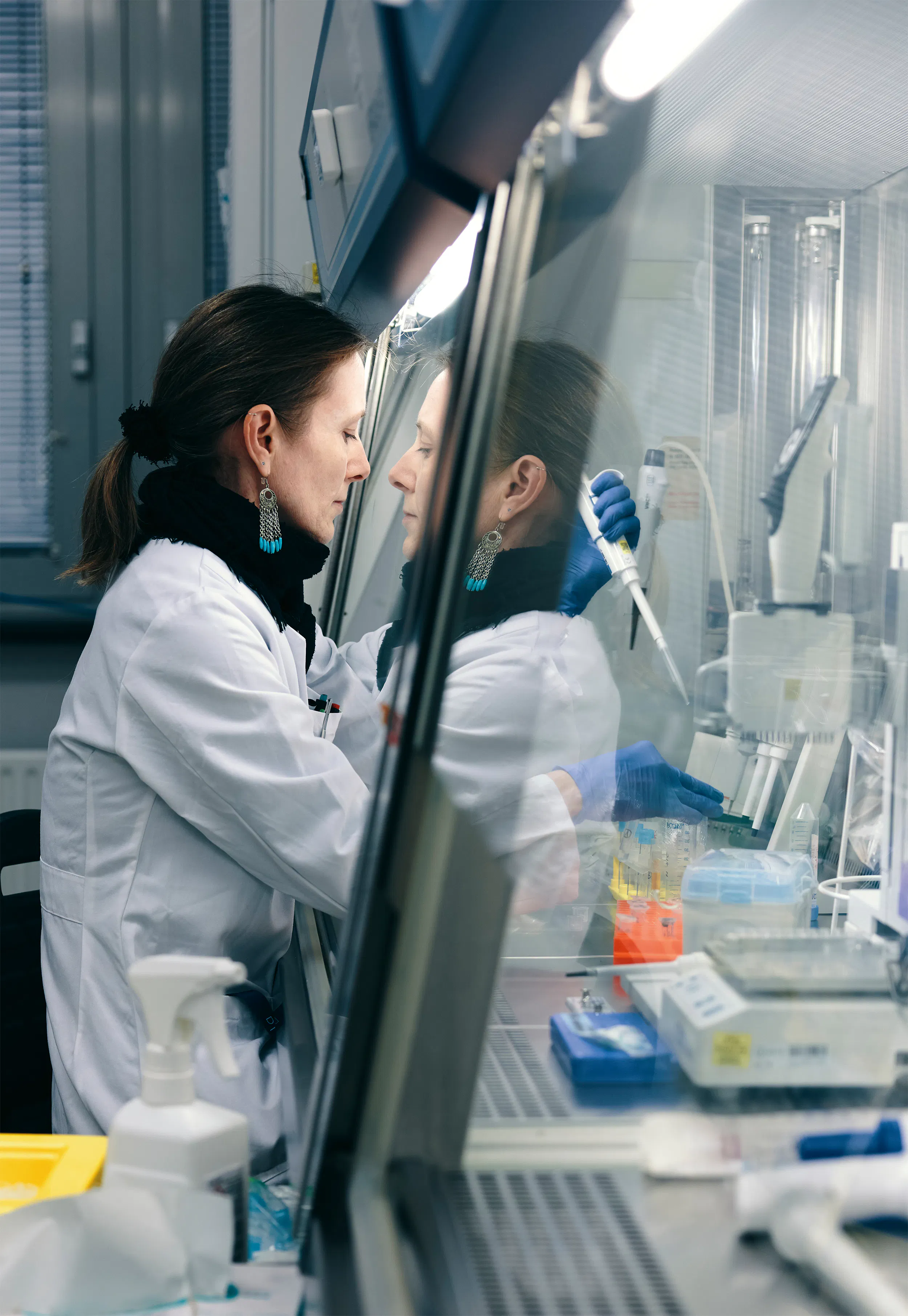
Nicolle Kränkel is a member of this team. The trained immunologist, who followed Landmesser to Berlin from Zurich in 2014, is head of Charité’s cardiovascular laboratory, where she studies blood and tissue samples of patients participating in the hospital’s various clinical trials.
What she likes most about her job at the hospital is that her research pushes the boundaries of basic science. “During my early professional years in Bristol, we did some work with patient samples, but not extensively, and I felt something was missing.”
While Kränkel cherishes the community of researchers, she values “a culture where people with diverse expertise collaborate closely,” giving her the “opportunity to explore different areas and tackling common problems from different angles.”
Working at this intersection of basic and clinical research – in a nutshell – is what the team at the Charité is all about: combining clinicians, researchers, medical doctors, and data scientists to drive cardiovascular expertise.
In three recent studies in patients with an acute coronary syndrome, Kränkel and her team looked closely at the cell behavior of these heart attack patients and others. “Taken together, these publications illustrate the close collaboration between the clinic and the laboratory,” she said.
While the clinic’s team contributed analyses from intravascular imaging, blood sampling from patients, and further clinical examination to better characterize patients, the lab group focused on the characterization and quantification of immune cells, among other things.
Patient-centric
Such collaboration is important as the team also works towards creating new test mechanisms that should one day allow cardiovascular patients to be diagnosed before the onset of a potential disease.
Prof. Ulf Landmesser’s daily routine involves regular patient visits.
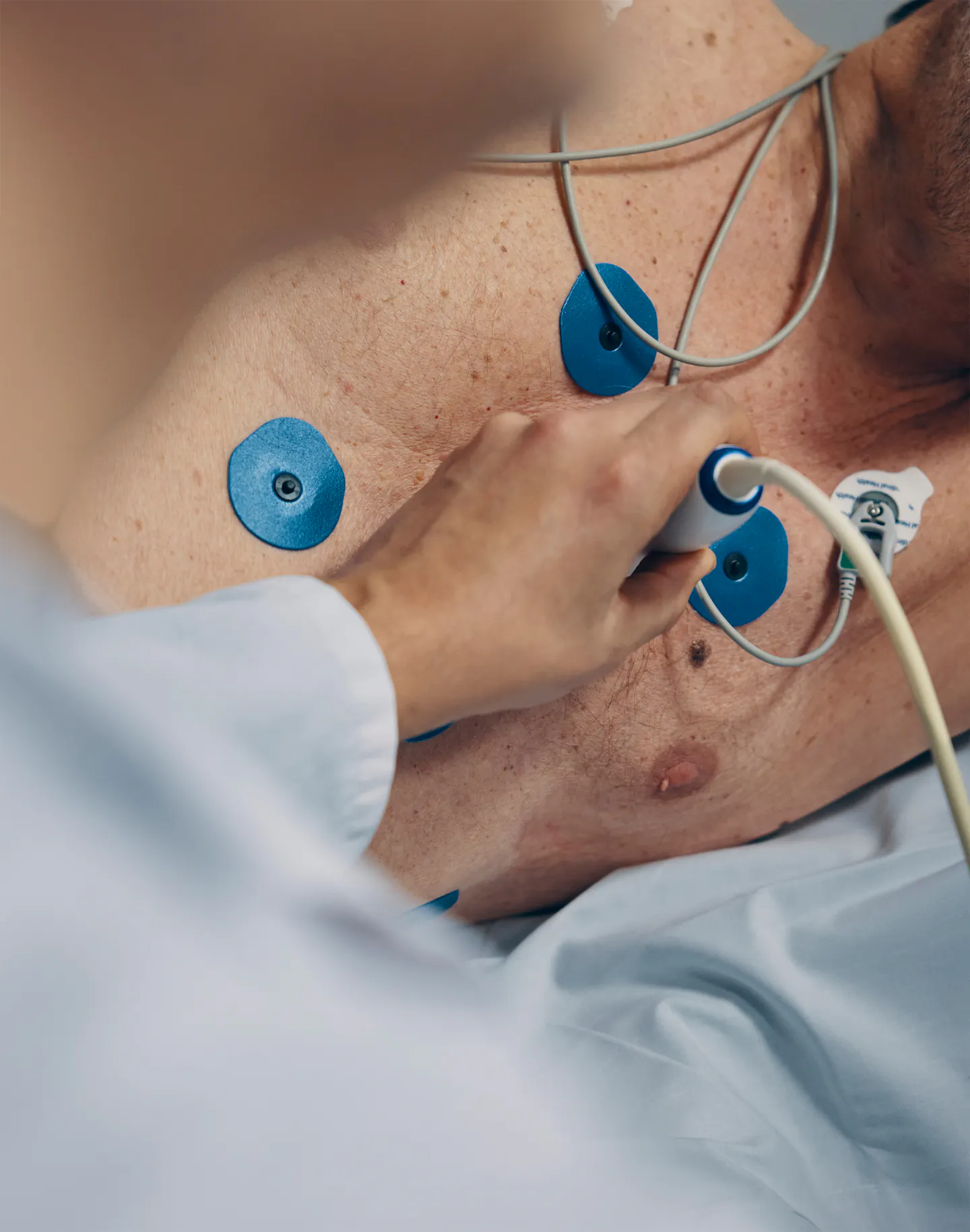
For this, the team launched a large heart health study at its newly installed Friede Springer Cardiovascular Prevention Center at Charité (fs-cpc.de), which is supported by the Friede Springer Stiftung and aims to examine up to 5,000 participants to detect novel potential cardiovascular risk factors before symptoms emerge.
Nikolaus Buchmann, who started his career in geriatric medicine and today focuses particularly on cardiovascular health in elderly populations, is part of this trial and responsible for outpatient care and the epidemiological aspects of our studies.
Collaboration is paramount. “One strength of our group is that, from the very beginning, we’ve focused on seeing the bigger picture,” he says. “While my interest lies primarily in epidemiological data, Nicolle focuses on cellular analysis, and my colleague Anna Sannino specializes in echocardiography.”
Without a deep molecular understanding of disease triggers and pathways, clinical practice cannot advance. This is why Ulf Landmesser and his team are driving basic research.
Buchmann, who joined Landmesser’s team around seven years ago, recognizes the importance of integrating these different perspectives – connecting epidemiological findings, imaging data, and potential laboratory results.
“Of course, we’re part of a larger team with diverse interests, and I believe this interdisciplinary collaboration – where laboratory work meets participant interaction – is precisely what we’re aiming to achieve,” Buchmann added.
New avenues
His colleague Anna Sannino, a trained specialist in cardiology, angiology, and intensive care medicine, meanwhile, is about to leverage her expertise with artificial intelligence to allow for deeper analysis of echocardiograms.
“My interest emerged during my residency in cardiovascular medicine, especially in noninvasive diagnostic methods,” said Sannino, who joined Charité in 2023. “I’ve done extensive work in valvular heart disease, and currently my focus is on applying artificial intelligence to improve cardiac imaging – particularly echocardiography, which is widely accessible.”
Although the idea of collaborating with specialists in computer-assisted medicine happened by accident, her willingness to tap into this emerging field of medicine speaks of the inherent commonality within Charité.
“At an event last year, I gave a talk about the different phenotypes of mitral regurgitation. Afterwards, a colleague from Charité approached me enthusiastically, saying, ‘Anna, we really need to connect!,’” Sannino explained.
Anna Sannino joined Charité in 2023.
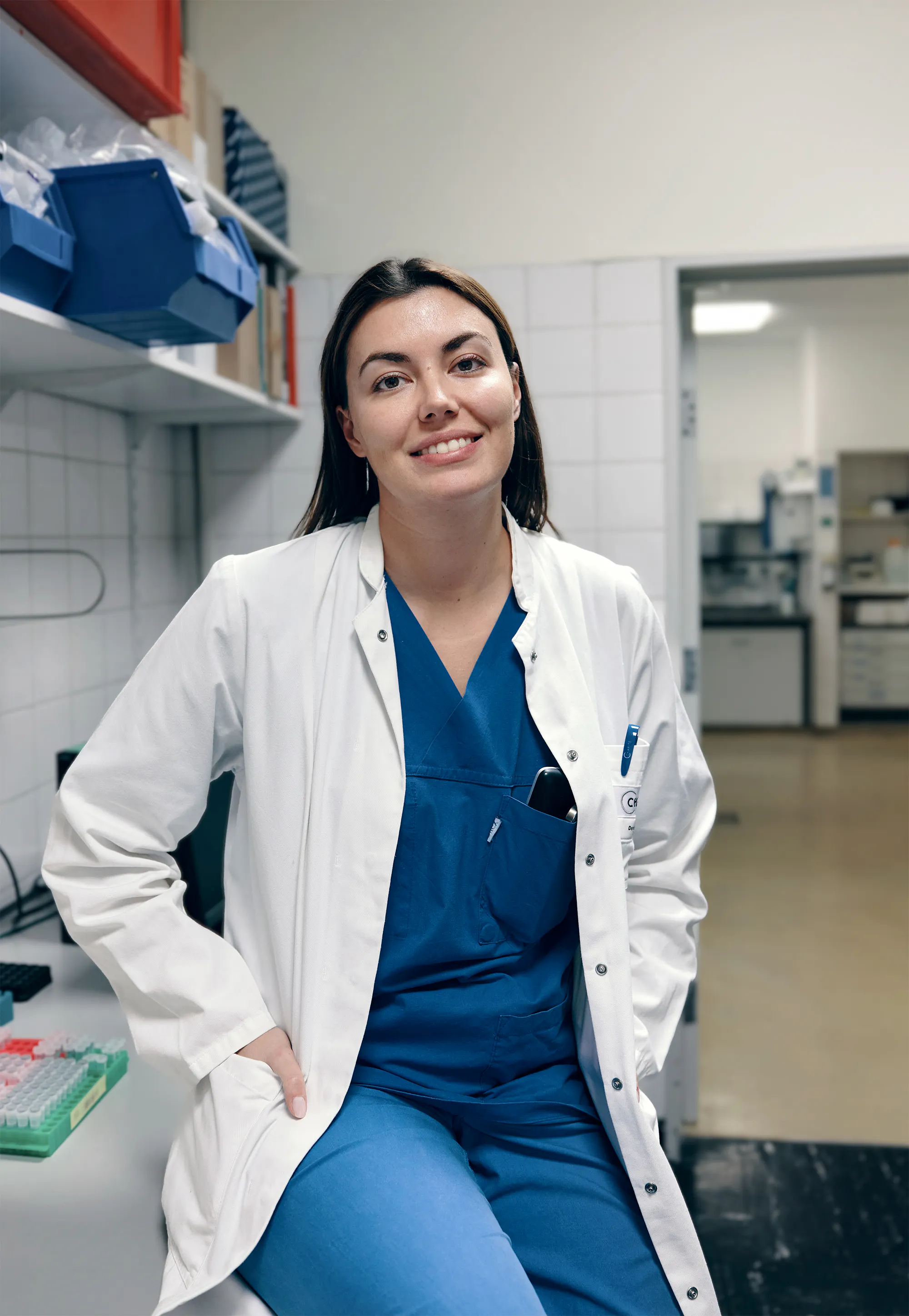
Still, it is early days in terms of results. “In echocardiography and cardiac imaging, AI isn’t as advanced as we’d hoped, though it’s promising for handling large-scale population screening. Still, the human element remains essential.”
Meanwhile, the collaboration with lab colleagues is also testing new avenues that could help boost prevention. For a recent study, which was published by Kränkel, the team created a bicycle test for heart failure patients.
Nicolle Kränkel, head of Charité’s cardiovascular laboratory.
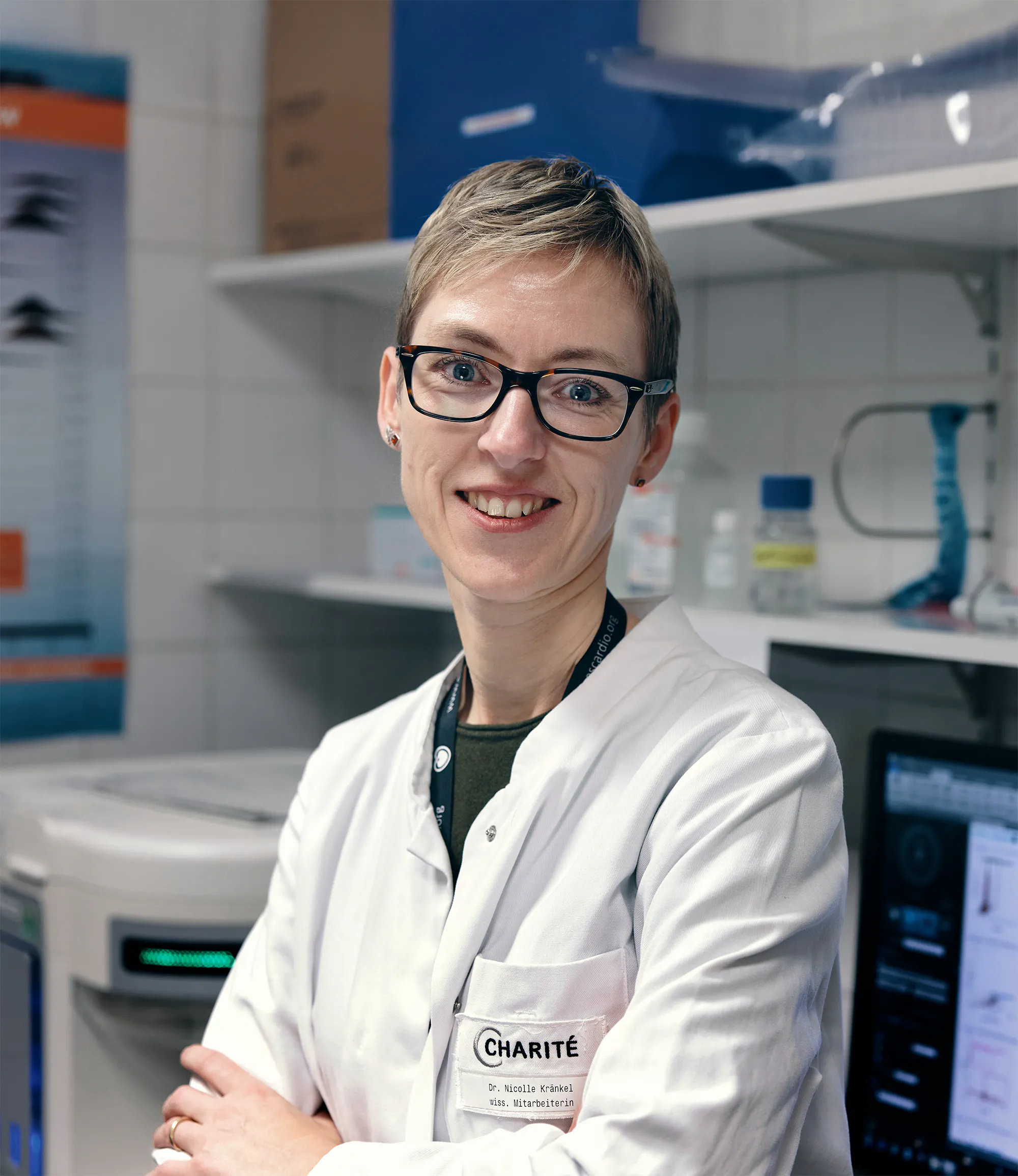
The goal was to establish dysfunctions in immune-metabolic mechanisms as early as possible in the pathogenesis so they could be treated before major organ damage occurred and became irreversible. “There is currently not much knowledge in this area, so we had to start one step earlier and first describe which dysfunctions occur at all in certain patient profiles or risk groups, Kränkel explained.
As part of the protocol, the team took blood samples before, immediately after, and after two hours of recovery and screened them for immunological and metabolic profiles. While the results so far have not been conclusive, the team is continuing to work on this topic.
Together with Novartis
Despite the tempo and breadth of the investigations led at the Charité, the team is also fully committed to the clinical trials with Novartis, which, among others, focus on testing new treatments for calcific aortic valve stenosis (CAVS).
Professor Ulf Landmesser is pursuing an ambitious vision to advance cardiac medicine.
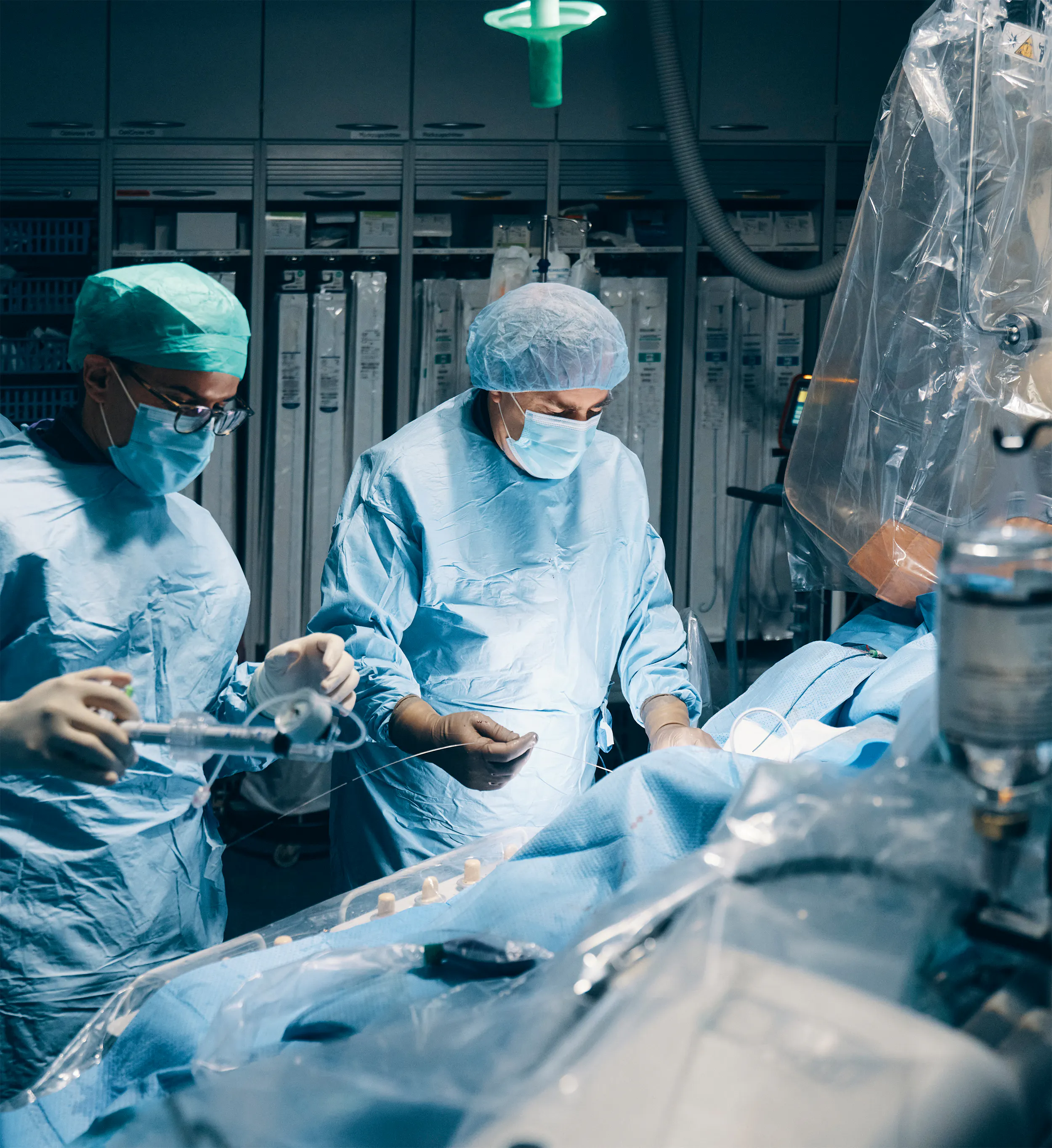
Novartis and Charité are working together on several projects, including real-world evidence studies involving angiograms in the catheter lab.
For Andres Laguna, who leads the collaboration with Charité from the Novartis side, the tie-up is ideal. “The partnership works exceptionally well – I think we’re lucky to have found each other. It doesn’t always happen so naturally with other medical experts or scientists. I’m genuinely very happy to collaborate with all of them.”
Intrinsic motivation
While collaboration across diverging scientific fields of science is central, there is no escaping the need for hard work. “I think it comes down to highly motivated people who genuinely love research and are driven to do it,” says Anna Sannino. “Some people might fall behind, but those who remain are the ones who persist, staying engaged and committed, no matter how many hours it takes. That’s typically how it goes.”
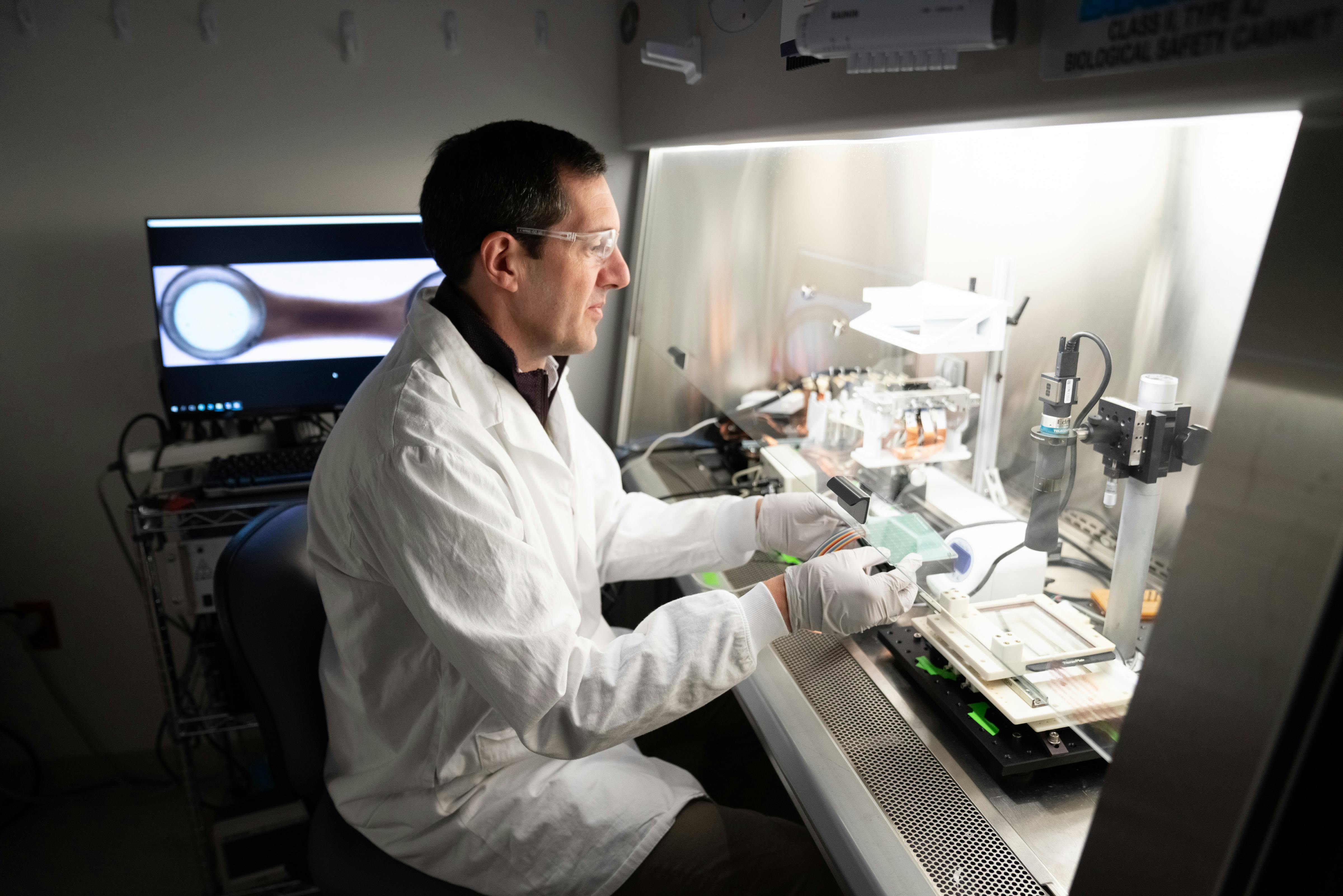
A team of dedicated researchers is searching for fresh clues to advance the field of cardiology.
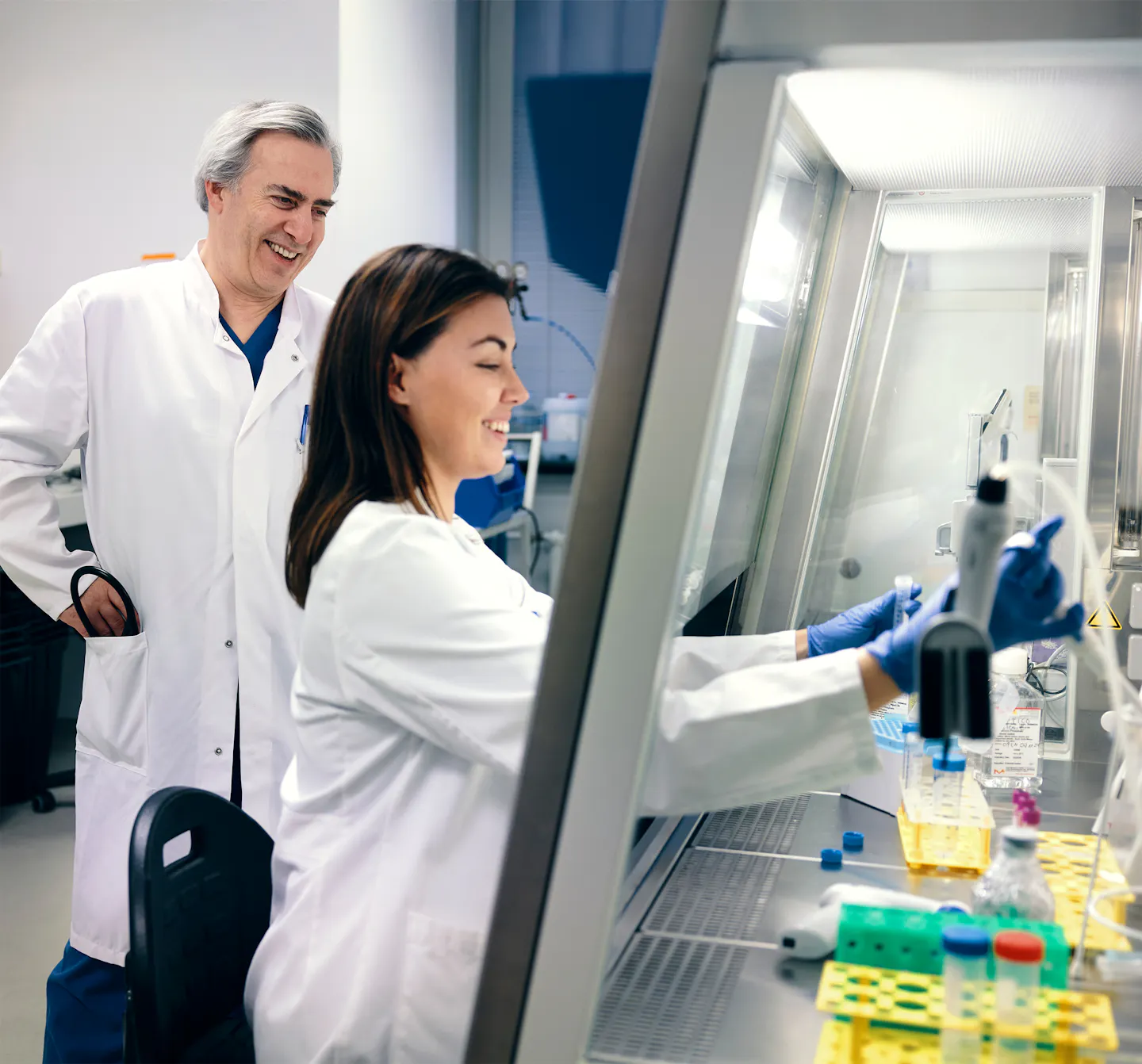
Ulf Landmesser shares this view. “I believe we offer an excellent environment for young researchers to grow. However, genuine interest, curiosity, and a desire to innovate must come from within – we can’t impose that on anyone. Outstanding research requires real dedication, as there’s simply no shortcut.”
Beyond personal interest and commitment, another crucial aspect for Landmesser is communication. Modern research relies heavily on teamwork rather than individual effort alone. Thus, the ability to collaborate effectively and build strong interpersonal connections is increasingly essential.
“Being communicative and socially adept is becoming more critical, as great research thrives on teamwork. The ability to connect, engage, and collaborate with others has become an indispensable part of successful research,” he says.